


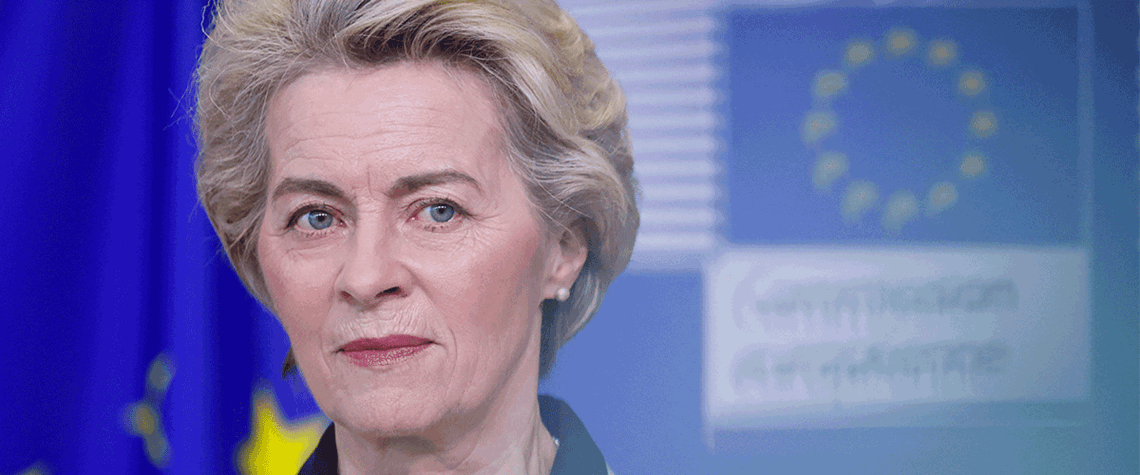
European Commission president Ursula von der Leyen
Europe’s confidence on gas may be premature
The region has made significant progress on reducing exposure to Russian gas, but despite rosy assessments by politicians, challenges remain
An unusually warm winter has helped Europe reduce its gas consumption significantly while aggressive spending has allowed most of the continent to improve its LNG regasification and pipeline infrastructure. However, major uncertainties loom over planned supply increases and demand reductions alike, and it is much too early to claim Europe has weaned itself off its heavy dependence on Russian energy. “Today, one year after the war began, [Russian president Vladimir Putin] has already lost the energy war he started,” announced Ursula von der Leyen, the president of the European Commission, in mid-February. “With European unity and a smart energy policy, we have withstood Russian pressure and f

Also in this section
24 March 2026
It is an unusual story of out with the new and in with the old, as America First Refining shows the US going back to trusted energy security developments
23 March 2026
A complex and sometimes contradictory web of factors that include unpredictable oil prices, the globalisation of LNG markets, the expansion of Middle Eastern sovereign capital and the growth of datacentre demand will shape the energy landscape beyond 2026
23 March 2026
The Strait of Hormuz crisis highlights how key waterways can become global chokepoints
20 March 2026
Attacks on key oil and LNG assets across the Gulf mean a prolonged supply disruption, with damage to Qatar’s export capacity undermining confidence in the global gas system


