


The paradox of energy security
Efforts to secure the flow of energy often do the opposite, reinforcing injustice and historical resentments, argues a new book
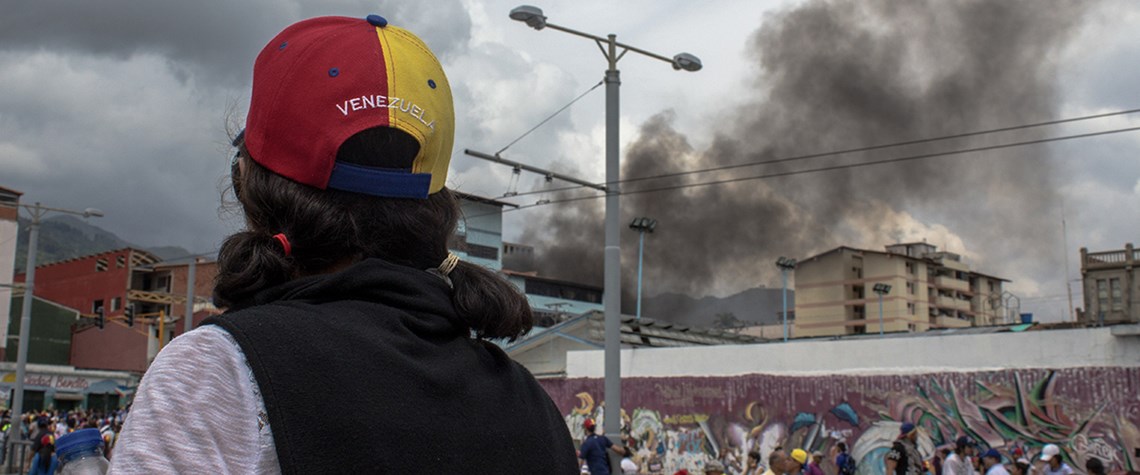
Northern Iraq is at war. Renewed sanctions on Iran may be imminent. Opec is cutting supply. Venezuela is collapsing. Relations between Russia and the West are deteriorating. Terror groups are targeting energy assets in countries like Libya and oil-producing South Sudan is a failed state. China is flexing its muscles in the South China Sea. More prosaically, international oil companies have carried out a huge upstream investment retreat since 2014. Such ingredients—especially in combination—would once have spiked oil prices and prompted urgent global summits. These days, oil markets remain sanguine and energy security has lost its paranoia factor. The rise of American oil and gas and public n

Also in this section
2 April 2026
Alongside a rapid continued build-out of renewables, China’s latest five-year plan stresses the value of domestic hydrocarbon production for energy security and calls for increased Russian gas imports
2 April 2026
The government is taking important steps to revive domestic production, lift investment and benefit from the geopolitical crisis even if more needs to be done in the longer term
1 April 2026
Golden Pass’s startup offers QatarEnergy a timely boost but may also force a difficult choice between honouring disrupted contracts and capitalising on soaring spot LNG prices
1 April 2026
It is not a case of if or when, but the length and magnitude of economic damage from elevated oil prices


