


US sanctions on Venezuela are largely symbolic
The oil market was waiting for an embargo. But a full blockade would have hurt American firms too
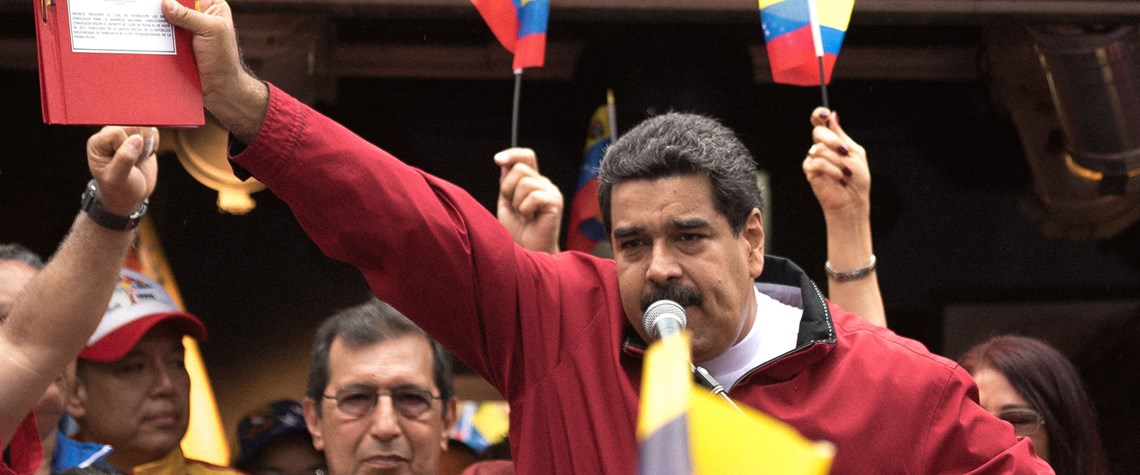
Donald Trump's administration threatened "strong and swift economic sanctions" if Nicolás Maduro went ahead with his power-grab-by-plebiscite. The Venezuelan president did—and the US response was heavy in symbolism, but light in effect. The oil sanctions awaited by the market did not happen. US officials called Maduro a "dictator", and added his name to a growing list of Venezuelans, and a short list of heads of state, under American sanctions. Maduro's assets in the US, if he has any, are frozen and no Americans are allowed to do business with him. But the oil industry, Maduro's biggest vulnerability, was untouched. Some kind of embargo on Venezuelan oil remains in the US' arsenal, but it n

Also in this section
2 April 2026
Alongside a rapid continued build-out of renewables, China’s latest five-year plan stresses the value of domestic hydrocarbon production for energy security and calls for increased Russian gas imports
2 April 2026
The government is taking important steps to revive domestic production, lift investment and benefit from the geopolitical crisis even if more needs to be done in the longer term
1 April 2026
Golden Pass’s startup offers QatarEnergy a timely boost but may also force a difficult choice between honouring disrupted contracts and capitalising on soaring spot LNG prices
1 April 2026
It is not a case of if or when, but the length and magnitude of economic damage from elevated oil prices


