


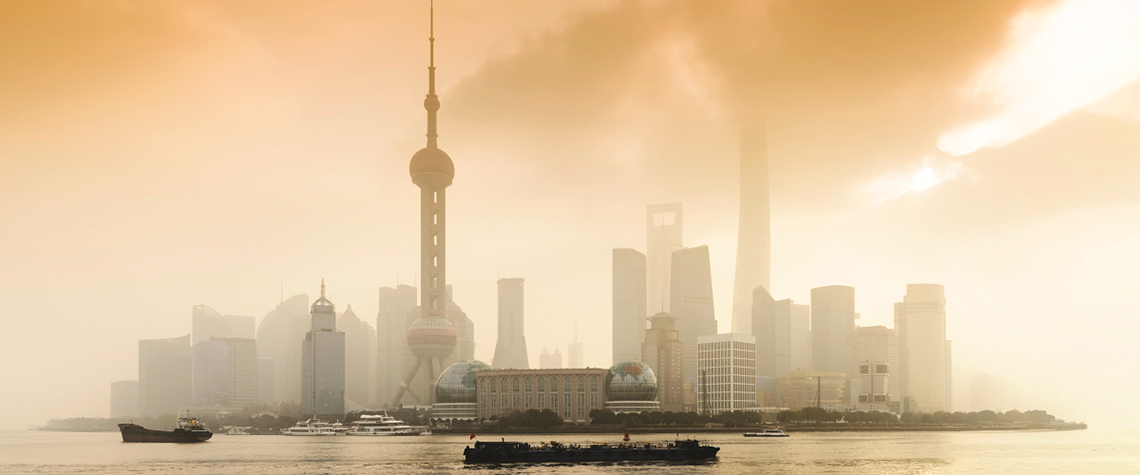
China: Enter the smokeless dragon
Part of China’s blue-sky strategy is the switch from coal to natural gas—with an unexpected impact on the global LNG market
Between 2015 and 2017, China's liquefied natural gas imports doubled. Pipeline gas imports more than doubled. Yet last winter China faced an unprecedented gas supply crisis that left homes, schools and hospitals without heating—prompting a scramble to divert gas from industry. The immediate cause of the crisis was an air pollution-prevention-and-control programme stipulating that coal-fired boilers in key regions should be replaced with gas-fired ones. The deadline, October 2017, coincided with the Communist Party's 19 th National Congress and so implementation was exceptionally forceful. In some places, coal boilers were ripped out before gas replacements were available. In others, the swit

Also in this section
14 April 2026
The GECF has warned it may revise its projections for demand this year downwards in light of conflict in the Middle East, although it maintains its forecasts for 2027 and onwards
13 April 2026
Petroleum Economist analysis highlights sharp shift from crude oversupply to market deficit, with Iraq and Kuwait badly affected and key producers Saudi Arabia and the UAE also seeing output sharply lower
13 April 2026
Turkmenistan is moving ahead with a modest expansion of the giant Galkynysh field to sustain gas deliveries abroad, but persistent delays to other key pipeline projects and geopolitical risks continue to constrain its export ambitions
13 April 2026
Expensive electricity has forced out swathes of energy-intensive industry and now threatens the country’s ability to attract future investment in datacentres and the digital economy


