


Newsletters | Request Trial | Log in | Advertise | Digital Issue   |   Search
  • Upstream
  • Midstream & Downstream
  • Gas & LNG
  • Trading & Markets
  • Corporate & Finance
  • Geopolitics
  • Podcasts
Search
Related Articles
OPEC presses pause
The group’s oil production declined in November, our latest analysis finds, amid divided sentiment over market balances and geopolitical jitters
Letter from London: Oil’s golden triangle
The interplay between OPEC+, China and the US will define oil markets throughout 2026
The curious case of oil-on-water
The market is facing being drowned in excess crude, but one caveat is that a large chunk is due to buyers reluctant to snap up sanctioned barrels
OPEC+ nears output targets amid unsolved riddles
OPEC+ has proven to be astute at bringing back oil production, but mysteries around Chinese buying, missing barrels and oil-on-water have left the group in wait-and-see mode
MENA states sharpen their gas focus
The GCC countries and other states in the region are looking to make greater domestic use of gas, both that produced at home and imported volumes
OPEC+ exposes its producers’ limits
Saudi Arabia, the UAE and Iraq appear to be only members able to increase output as Russia approaches close to maximum capacity
Letter from Vienna: OPEC at 65
Following its founding in September 1960, OPEC has become a key player in the global energy sector and a vital source of market stability
OPEC’s realignment
The group is cleansing itself of non-compliers and resetting expectations as it unwinds quicker than expected in a bid to go beyond production quotas
OPEC+ off-target in July
The producers’ group missed its output increase target for the month and may soon face a critical test of its strategy
The great OPEC+ reset
The quick, unified and decisive strategy to return all the barrels from the hefty tranche of cuts from the eight producers involved in voluntary curbs signals a shift and sets the tone for the path ahead
Iran Donald Trump Opec
Robin M Mills
14 December 2018
Follow @PetroleumEcon
Forward article link
Share PDF with colleagues

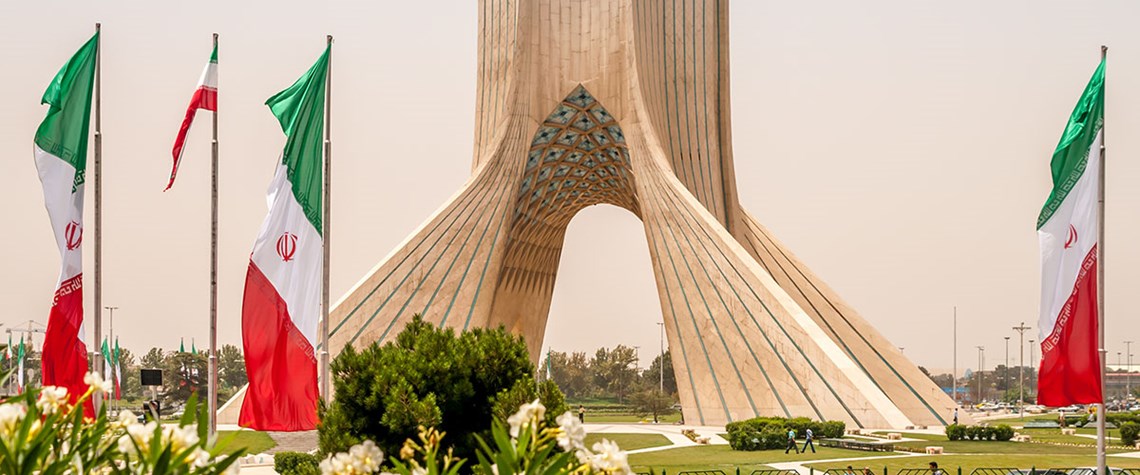
Iran battens down for survival as sanctions bite

Sanctions scrape the remaining shine off tarnishing sector

Iran's upstream sector, having basked in a degree of optimism fostered by the 2016 joint comprehensive plan of action (JCPOA), has returned to a struggle for survival, following the re-imposition of American sanctions. Sustaining oil exports has replaced new field developments as the key priority. But some of the sector's gloss had already flaked away, as would-be new entrants struggled to make any headway. Following the JCPOA, the new Iran petroleum contract (IPC) was trumpeted as the upstream sector's much-needed investment vehicle. Iran's mature fields require refurbishment and more advanced technology, while most green-field project progress had been stunted by previous sanctions. But th

Also in this section
Outlook 2026: Grand plan for offshore leasing should give boost to US Gulf
24 December 2025
As activity in the US Gulf has stagnated at a lower level, the government is taking steps to encourage fresh exploration and bolster field development work
Outlook 2026: Revitalising Syria’s oil and gas sector – A new chapter
Outlook 2026
23 December 2025
The new government has brought stability and security to the country, with the door now open to international investment
Outlook 2026: LNG markets and the overhang
Outlook 2026
23 December 2025
A third wave of LNG supply is coming, and with it a likely oversupply of the fuel by 2028
Outlook 2026: Energy realism regains the initiative from energy idealism
Outlook 2026
22 December 2025
Weakening climate resolve in the developed world and rapidly growing demand in developing countries means peak oil is still a long way away

Share PDF with colleagues

COPYRIGHT NOTICE: PDF sharing is permitted internally for Petroleum Economist Gold Members only. Usage of this PDF is restricted by <%= If(IsLoggedIn, User.CompanyName, "")%>’s agreement with Petroleum Economist – exceeding the terms of your licence by forwarding outside of the company or placing on any external network is considered a breach of copyright. Such instances are punishable by fines of up to US$1,500 per infringement
Send

Forward article Link

Send
Sign Up For Our Newsletter
Project Data
Maps
Podcasts
Social Links
Featured Video
Home
  • About us
  • Subscribe
  • Reaching your audience
  • PE Store
  • Terms and conditions
  • Contact us
  • Privacy statement
  • Cookies
  • Sitemap
All material subject to strictly enforced copyright laws © 2025 The Petroleum Economist Ltd
Cookie Settings
;

Search
