


Newsletters | Request Trial | Log in | Advertise | Digital Issue   |   Search
  • Upstream
  • Midstream & Downstream
  • Gas & LNG
  • Trading & Markets
  • Corporate & Finance
  • Geopolitics
  • Podcasts
Search
Related Articles
YPF reinvents itself
Under a new Argentine president and company CEO, YPF has shed dozens of non-core assets as it doubles down on the Vaca Muerta shale and LNG
Argentina makes progress on LNG dream
Eni is joining the first phase of the 30mt/yr ARGLNG, while consortium behind the smaller Southern Energy LNG has reached FID
Argentina poised to surpass record oil production
Imminent midstream additions in the Vaca Muerta set the stage for sharp jump in upstream growth
Latin America’s evolving crude outlook
New supply from Argentina, Brazil and Guyana is rich in middle distillates, but optimism in terms of volume growth remains tempered by regulatory and technical risks as well as price volatility
The changing face of Argentina’s upstream
Sector at economic and strategic crossroads, but clear path ahead for midstream additions
Latin America feels the heat
Extreme weather conditions are compounding upstream challenges and pressuring governments across the region
Argentina opens up to international investors
The controversial trimmed down version of the ‘omnibus bill’ promises to attract more foreign investment to sectors including oil and gas, but critics raise concern it still goes too far
Argentinian tax row casts shadow over upstream
Clash between federal and regional governments escalates as Chubut calls for supply disruption unless demands are met
Argentina’s new president promises energy shake-up
Self-described 'anarcho-capitalist’ vows economic transformation including privatising state energy firm YPF
Letter from Latin America: Wider woes fail to derail Argentine shale
Battered by multiple economic headaches, Argentina is looking towards the Vaca Muerta as a potential lifeline
Argentina Chevron
Justin Jacobs
31 July 2018
Follow @PetroleumEcon
Forward article link
Share PDF with colleagues

Reforms bring Argentinian self-sufficiency closer

New energy investments are reducing Argentina’s import needs

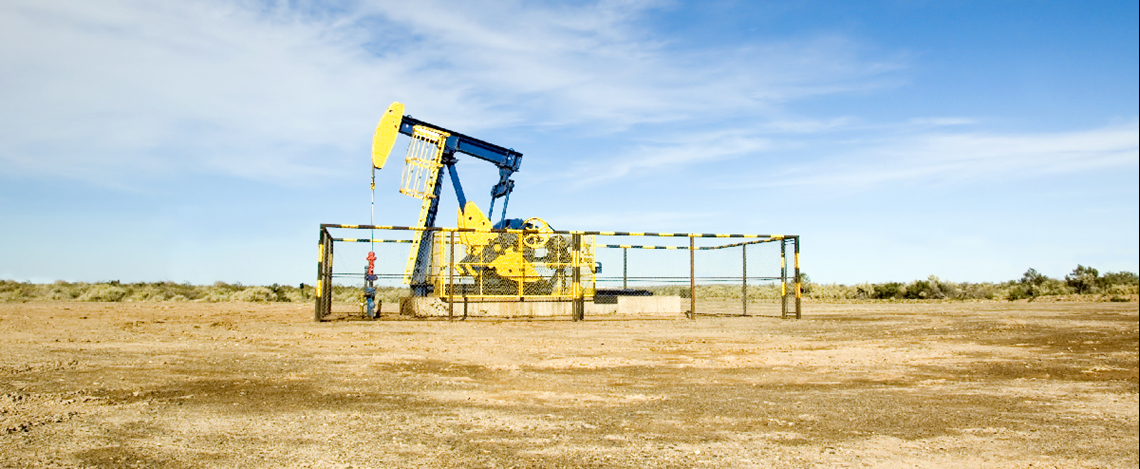
Argentina is pushing new frontiers in shale, offshore and renewables, aiming to regain its prized energy independence. Slashing the country's cash-draining energy-import dependence has been near the top of the agenda for President Mauricio Macri's government since he came to office in 2015. To reach the goal, Macri has instituted a number of market-friendly reforms. His administration has made it easier to move cash and kit in and out of the country, reduce domestic energy subsidies, provide incentives for new shale oil and gas projects and work with labour unions to reduce costs. He has also opened new investment areas for private and foreign investors. Those measures are clearly paying

Also in this section
Explainer: What do Russia’s oil giants own overseas?
4 December 2025
Time is running out for Lukoil and Rosneft to divest international assets that will be mostly rendered useless to them when the US sanctions deadline arrives in mid-December
Letter from Saudi Arabia: US-Saudi energy ties enter a new phase
Opinion
3 December 2025
Aramco’s pursuit of $30b in US gas partnerships marks a strategic pivot. The US gains capital and certainty; Saudi Arabia gains access, flexibility and a new export future
Letter from London: Oil’s golden triangle
Opinion
2 December 2025
The interplay between OPEC+, China and the US will define oil markets throughout 2026
Libya’s upstream caught between hope and caution
1 December 2025
The North African producer’s first bidding round in almost two decades is an important milestone but the recent extension suggests a degree of trepidation

Share PDF with colleagues

COPYRIGHT NOTICE: PDF sharing is permitted internally for Petroleum Economist Gold Members only. Usage of this PDF is restricted by <%= If(IsLoggedIn, User.CompanyName, "")%>’s agreement with Petroleum Economist – exceeding the terms of your licence by forwarding outside of the company or placing on any external network is considered a breach of copyright. Such instances are punishable by fines of up to US$1,500 per infringement
Send

Forward article Link

Send
Sign Up For Our Newsletter
Project Data
Maps
Podcasts
Social Links
Featured Video
Home
  • About us
  • Subscribe
  • Reaching your audience
  • PE Store
  • Terms and conditions
  • Contact us
  • Privacy statement
  • Cookies
  • Sitemap
All material subject to strictly enforced copyright laws © 2025 The Petroleum Economist Ltd
Cookie Settings
;

Search
