


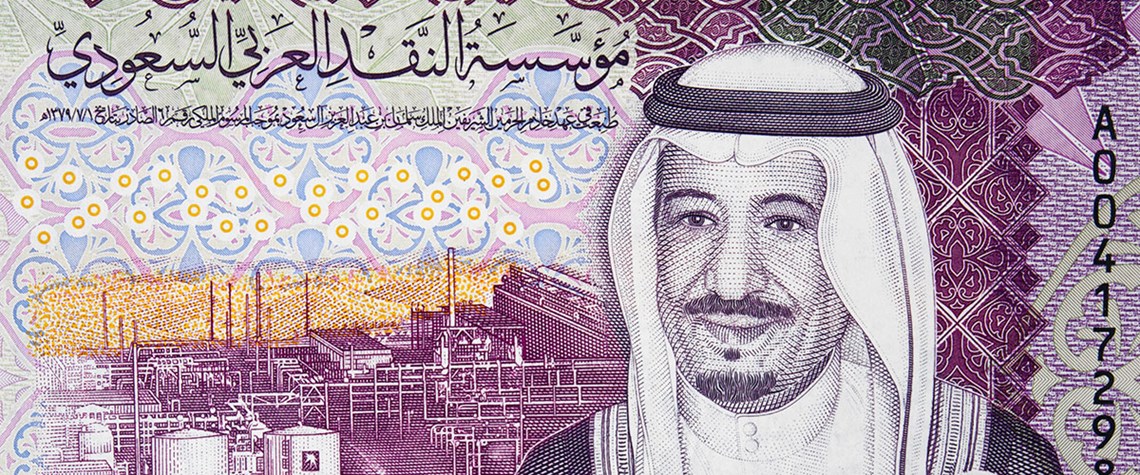
The West has extended an open hand to Saudi Arabia's new ruler - Source: Shutterstock
The West endorses Saudi crown prince
MbS’s first visits to the UK and US as crown prince show acceptance there that he’ll be the next Saudi king. But not all Saudis are happy
Since becoming ruler of Saudi Arabia three years ago, King Salman has approved a wide range of changes to the way the country is governed. The most surprising and radical move was the promotion out of obscurity of his young son, Mohammed bin Salman (MbS). In a matter of months, he became defence minister and took over the reins of the energy, economic and security establishments. The final move in his consolidation of power was the removal of crown prince Mohammed bin Naif. MbS was the new heir to throne. Western allies of Saudi Arabia watched with some concern as the king made these jaw-dropping changes. They weren't always reassured by what they saw. The headlong rush into the war in Yemen

Also in this section
24 March 2026
It is an unusual story of out with the new and in with the old, as America First Refining shows the US going back to trusted energy security developments
23 March 2026
A complex and sometimes contradictory web of factors that include unpredictable oil prices, the globalisation of LNG markets, the expansion of Middle Eastern sovereign capital and the growth of datacentre demand will shape the energy landscape beyond 2026
23 March 2026
The Strait of Hormuz crisis highlights how key waterways can become global chokepoints
20 March 2026
Attacks on key oil and LNG assets across the Gulf mean a prolonged supply disruption, with damage to Qatar’s export capacity undermining confidence in the global gas system


