


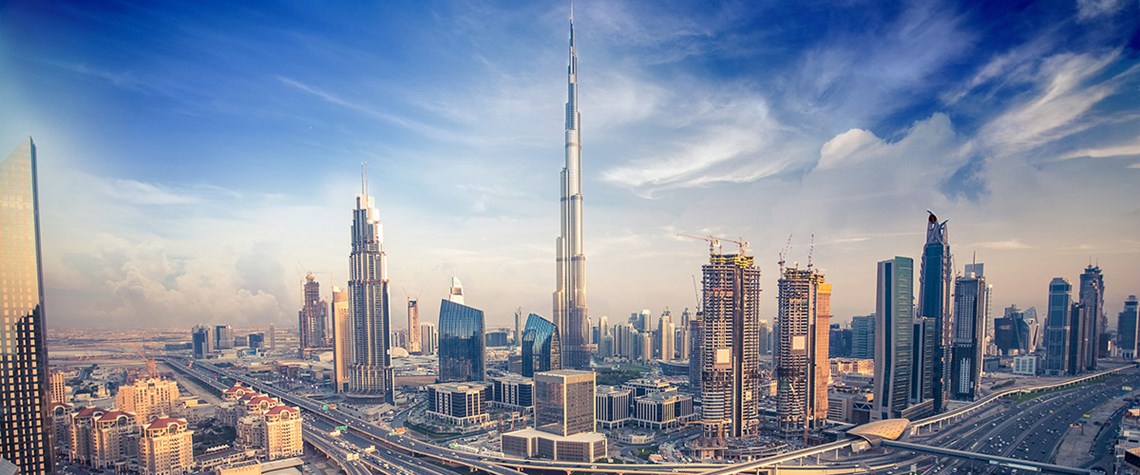
UAE—all hands on deck
The country is adopting a new energy identity which gives emirates, other than kingpin Abu Dhabi, greater and more diverse roles
Six emirates united under the UAE flag at a time when towns were slowly emerging from empty desert, caravans of camels decorated the horizon and agents of foreign energy firms examined dog-eared maps on the heated bonnets of their 4x4s. Since that day in December 1971, the energy paths of Abu Dhabi, Ajman, Dubai, Fujairah, Sharjah and Umm al-Quwain have differed hugely. Ras al-Khaimah joined the UAE a year later. For nearly half a century, Abu Dhabi, and Dubai to a lesser extent, took the lead in fossil-fuel production and consumption. But now the playing field is beginning to level out as other emirates leverage their natural resources. Three key triggers are spurring change. The first is t

Also in this section
24 April 2026
The European Commission’s response to the Middle East crisis is to double down on its transition strategy, with plans for a new target on electrification
24 April 2026
A major new discovery by Eni and BP that can likely be fast-tracked to production is welcome news for Egypt as it scrambles to plug a widening supply gap and deal with rising import risks
24 April 2026
Countries in the region are turning to the cleaner-burning fuel for power generation, driving demand for imports
24 April 2026
The US has used booming shale production to massively expand its LNG infrastructure, but Canadian developments have not fare so well while in South America consumption outstrips production


