


Colombian fracking edges closer to reality
Mindful of the country's energy security, the government is looking towards its shale assets
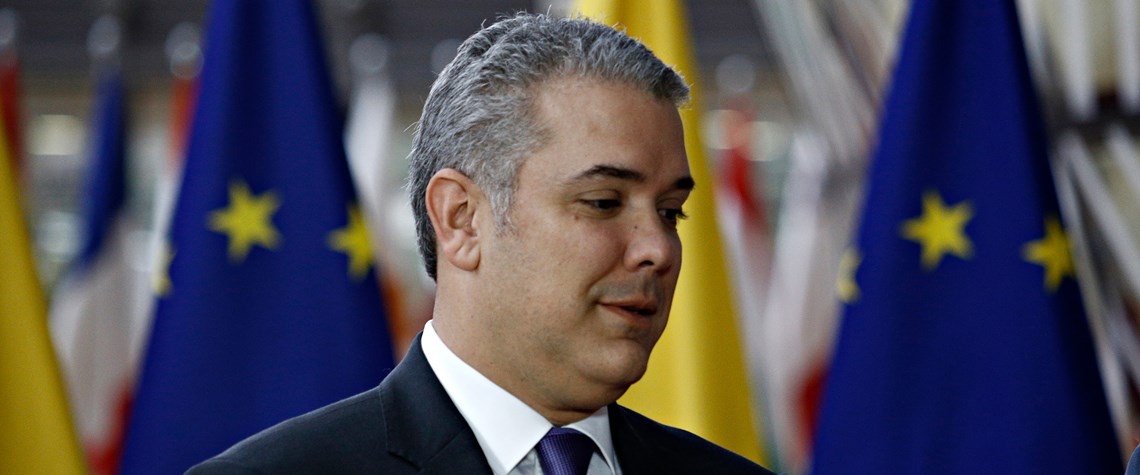
Colombian president Ivan Duque is no stranger to controversy. His attempts to alter a landmark war crimes tribunal this year, the special jurisdiction for peace (JEP), were sizeably defeated in the House of Representatives, only for cross-party disputes to return the veto back to the Constitutional Court. Now he aims to resurrect an equally contentious issue: fracking. Colombia has mooted fracking for several years. In 2014, the government offered up several shale blocks for auction, but no licenses were approved. This year, two shale pilot projects were shelved by licensing authority Anla after operators US independent ConocoPhilips (80pc stake) and Canada's Canacol (20pc stake) failed to m

Also in this section
2 April 2026
Alongside a rapid continued build-out of renewables, China’s latest five-year plan stresses the value of domestic hydrocarbon production for energy security and calls for increased Russian gas imports
2 April 2026
The government is taking important steps to revive domestic production, lift investment and benefit from the geopolitical crisis even if more needs to be done in the longer term
1 April 2026
Golden Pass’s startup offers QatarEnergy a timely boost but may also force a difficult choice between honouring disrupted contracts and capitalising on soaring spot LNG prices
1 April 2026
It is not a case of if or when, but the length and magnitude of economic damage from elevated oil prices


