


Conflict threatens Libyan oil sector’s long-term stability
Civil war endangers the state-owned oil company’s ability to maintain crude production and threatens the collapse of the entire sector
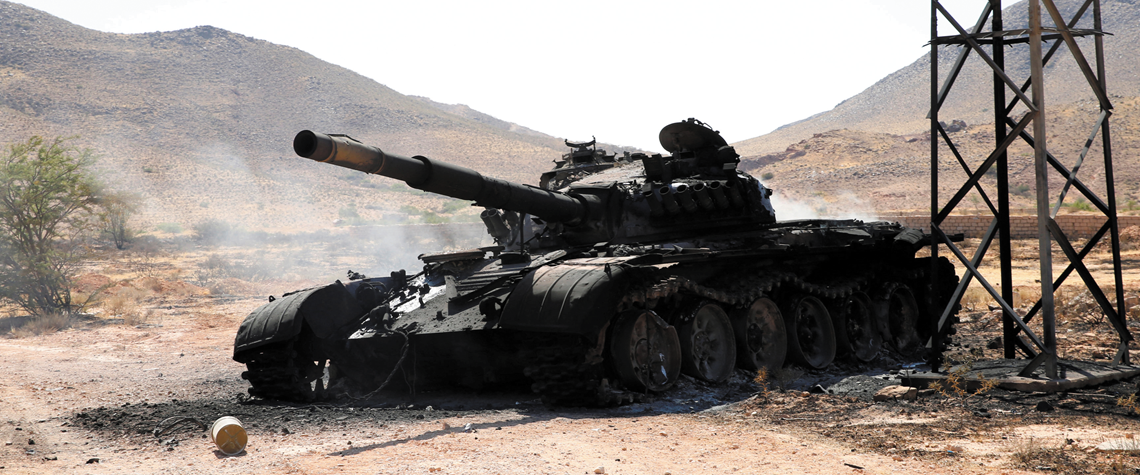
The polarising conflict that has left a trail of bombed out buildings, civilian casualties, and broken trust across Tripoli and western Libya since April shows no sign of letting up. Forces under the so-called Libyan National Army (LNA) led by Khalifa Haftar keep trying to push forward along frontlines south of the capital while forces opposed to the LNA’s assault, operating under the umbrella of the internationally-recognised Government of National Accord (GNA), keep pushing back. Both sides are heavily reliant on foreign support, particularly arms, ammunition and drones, to maintain their operations. But attempts to curtail foreign interference have failed to gain traction, suggesting th

Also in this section
2 April 2026
Alongside a rapid continued build-out of renewables, China’s latest five-year plan stresses the value of domestic hydrocarbon production for energy security and calls for increased Russian gas imports
2 April 2026
The government is taking important steps to revive domestic production, lift investment and benefit from the geopolitical crisis even if more needs to be done in the longer term
1 April 2026
Golden Pass’s startup offers QatarEnergy a timely boost but may also force a difficult choice between honouring disrupted contracts and capitalising on soaring spot LNG prices
1 April 2026
It is not a case of if or when, but the length and magnitude of economic damage from elevated oil prices


