


Immediate threat to Gulf oil flow lifted
The UK and Iran have shown that they do not want the seizure of a British-flagged oil tanker to be the trigger for an armed conflict
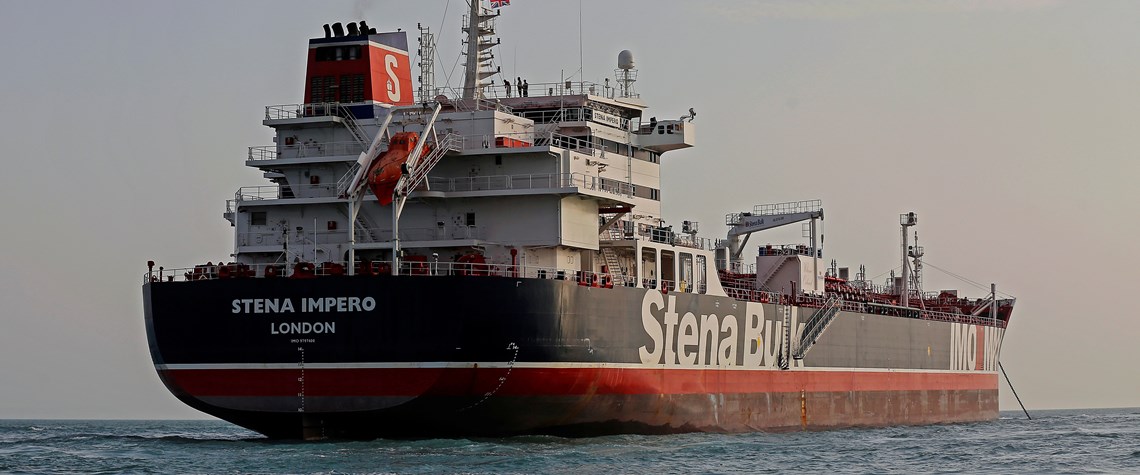
The decision by members of Iran's Islamic Revolutionary Guards Corps to board the Stena Impero off Oman and force it to sail to Bandar Abbas might well have been the spark to ignite a war in the Gulf. In the event, the UK and Iranian governments are showing clearly that they do not want this to happen. The UK's foreign minister, Jeremy Hunt, while describing the seizure of the tanker as an act of piracy, stressed his country's "desire to de-escalate" the crisis. Instead of direct military action to resolve the tanker issue, he proposed working with other European nations to work out a joint strategy to protect ships passing through the Strait of Hormuz. Iran's foreign minister, Mohammad Java

Also in this section
14 April 2026
The GECF has warned it may revise its projections for demand this year downwards in light of conflict in the Middle East, although it maintains its forecasts for 2027 and onwards
13 April 2026
Petroleum Economist analysis highlights sharp shift from crude oversupply to market deficit, with Iraq and Kuwait badly affected and key producers Saudi Arabia and the UAE also seeing output sharply lower
13 April 2026
Turkmenistan is moving ahead with a modest expansion of the giant Galkynysh field to sustain gas deliveries abroad, but persistent delays to other key pipeline projects and geopolitical risks continue to constrain its export ambitions
13 April 2026
Expensive electricity has forced out swathes of energy-intensive industry and now threatens the country’s ability to attract future investment in datacentres and the digital economy


