


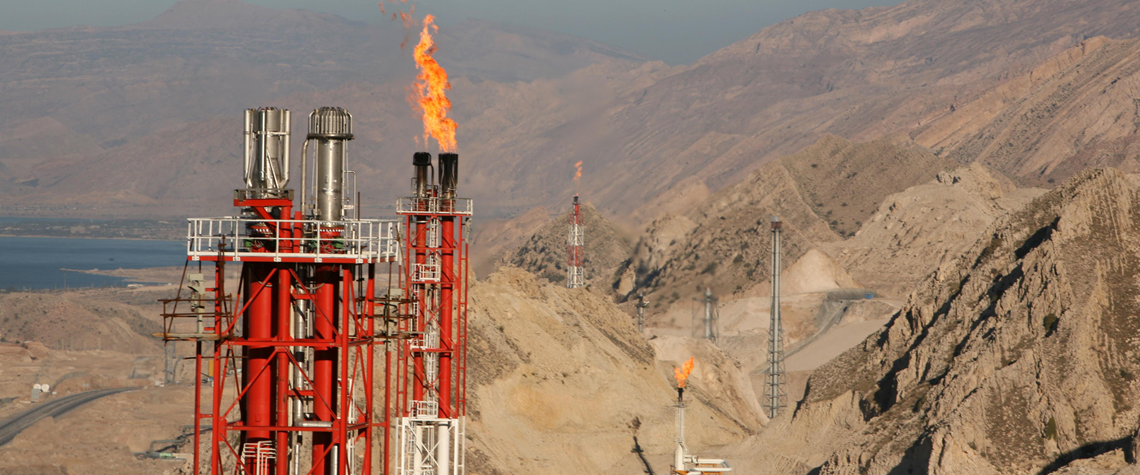
Iranian gas gets going
Iran is making good use of its surging natural gas production domestically, but exports remain constrained
Iran’s production of oil and gas has been hit hard by sanctions over the past two decades. Yet the impacts have diverged more recently: while oil has plunged, Iran’s gas production and exports have boomed. Sustaining these gas exports has become key. Despite holding the world’s second-largest reserves, for years gas output fell behind schedule. It was hampered by sanctions that made obtaining equipment difficult and, in the absence of international investors, by mismanagement by local entities. Exports to Turkey rose gradually from 7.8bn m³ in 2010 to 7.9bn m³ in 2018, but were bedevilled by price disputes and winter cut-offs when Iran ran short of gas for its own population. A host of hopef

Also in this section
24 March 2026
It is an unusual story of out with the new and in with the old, as America First Refining shows the US going back to trusted energy security developments
23 March 2026
A complex and sometimes contradictory web of factors that include unpredictable oil prices, the globalisation of LNG markets, the expansion of Middle Eastern sovereign capital and the growth of datacentre demand will shape the energy landscape beyond 2026
23 March 2026
The Strait of Hormuz crisis highlights how key waterways can become global chokepoints
20 March 2026
Attacks on key oil and LNG assets across the Gulf mean a prolonged supply disruption, with damage to Qatar’s export capacity undermining confidence in the global gas system


