


Libya's oil fields fall into Haftar's hands
The latest military moves leave the government in Tripoli increasingly under siege
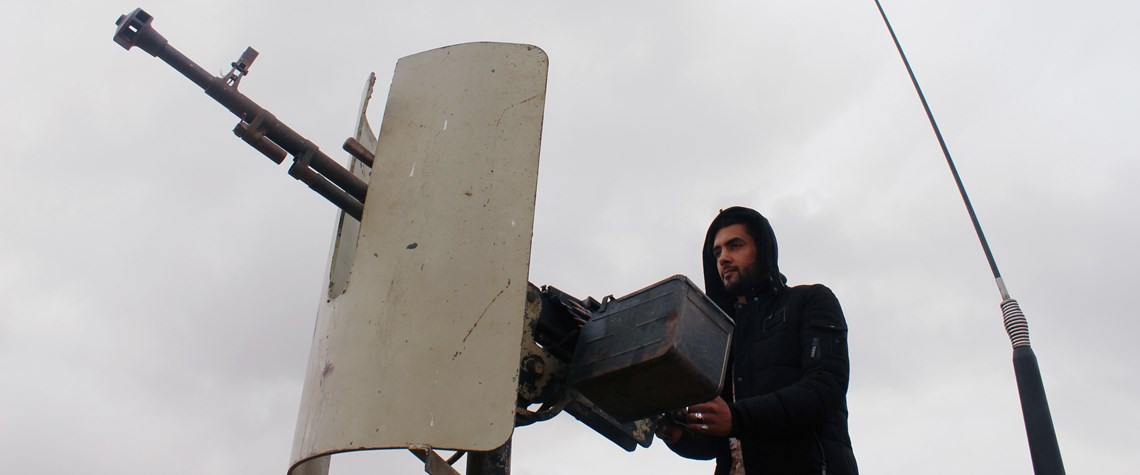
Tobruk government forces led by general Khalifa Haftar have completed a dramatic offensive in southern Libya, leaving it in control of all the country's key oil fields. What it does with this control will likely define the future of the country's hydrocarbons industry. While Tobruk now controls the oil, it does not control the oil revenues. These go to a rival government, Tripoli's UN-backed Government of National Accord (GNA), by dint of its international recognition status. But in the wake of what is a shuddering defeat for the GNA, pressure is mounting for a new political deal. Haftar's offensive lasted six weeks and saw his Libyan National Army (LNA) sweep through southern Libya capturin

Also in this section
2 April 2026
Alongside a rapid continued build-out of renewables, China’s latest five-year plan stresses the value of domestic hydrocarbon production for energy security and calls for increased Russian gas imports
2 April 2026
The government is taking important steps to revive domestic production, lift investment and benefit from the geopolitical crisis even if more needs to be done in the longer term
1 April 2026
Golden Pass’s startup offers QatarEnergy a timely boost but may also force a difficult choice between honouring disrupted contracts and capitalising on soaring spot LNG prices
1 April 2026
It is not a case of if or when, but the length and magnitude of economic damage from elevated oil prices


