


Oil revenue access drives conflict
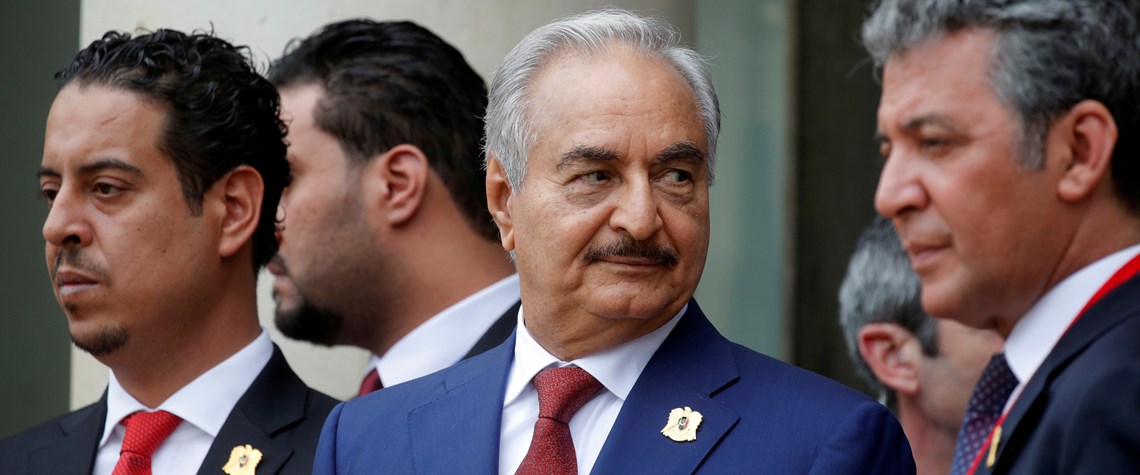
General Khalifa Haftar's LNA is battling the GNA for control of Tripoli. But what are his options and what are the longer-term implications for the oil sector?
Haftar's Libyan National Army (LNA) — long a regional hegemon, with a smattering of allies in other parts of the country — has in 2019 made a concerted attempt to become a truly national force. Haftar has a core support base in eastern Libya, where the LNA has been fighting under a counter-terror narrative since 2014. Through careful coalition building, he has gradually cemented the support of most communities in the east, as well as the eastern branches of Libya's main political and economic institutions, including the parallel government based in Bayda. In recent months, the LNA has expanded its reach into southern Libya and has also gained more allies in the western region. Due to these r

Also in this section
2 April 2026
Alongside a rapid continued build-out of renewables, China’s latest five-year plan stresses the value of domestic hydrocarbon production for energy security and calls for increased Russian gas imports
2 April 2026
The government is taking important steps to revive domestic production, lift investment and benefit from the geopolitical crisis even if more needs to be done in the longer term
1 April 2026
Golden Pass’s startup offers QatarEnergy a timely boost but may also force a difficult choice between honouring disrupted contracts and capitalising on soaring spot LNG prices
1 April 2026
It is not a case of if or when, but the length and magnitude of economic damage from elevated oil prices


