


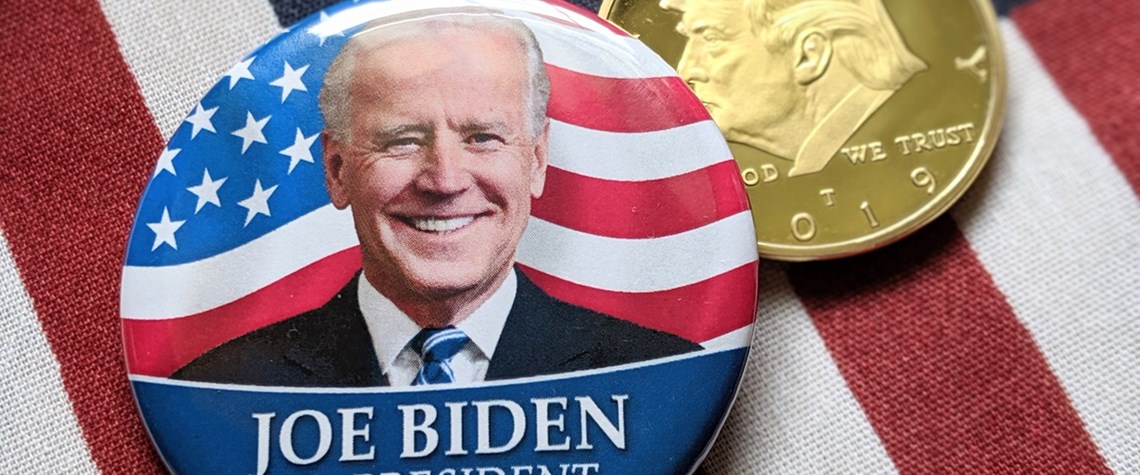
Biden presidency to cast shadow over shale
Mounting pressure from Democratic Party to tackle climate change threatens future of the sector
The 2020 US presidential contest presents the country’s shale patch with two stark alternatives: continued vitality versus gradual or rapid decline. This is in sharp contrast to the two previous US polls, when the industry had comparatively little to fear from a victory by either the Democratic or Republican candidates. A victory by Republican president Donald Trump would signal a continuation of policies that bolster and support the development of shale resources. For at least four more years there would be no significant federal government pressure on the oil and gas industry to reduce its carbon footprint. Federal action would favour the development of fossil fuel energy resources over vi

Also in this section
23 March 2026
A complex and sometimes contradictory web of factors that include unpredictable oil prices, the globalisation of LNG markets, the expansion of Middle Eastern sovereign capital and the growth of datacentre demand will shape the energy landscape beyond 2026
23 March 2026
The Strait of Hormuz crisis highlights how key waterways can become global chokepoints
20 March 2026
Attacks on key oil and LNG assets across the Gulf mean a prolonged supply disruption, with damage to Qatar’s export capacity undermining confidence in the global gas system
20 March 2026
The US may be systemically stripping Russia of key geopolitical allies, but Moscow can reap rewards from the Hormuz crisis, both in the short and long term


