


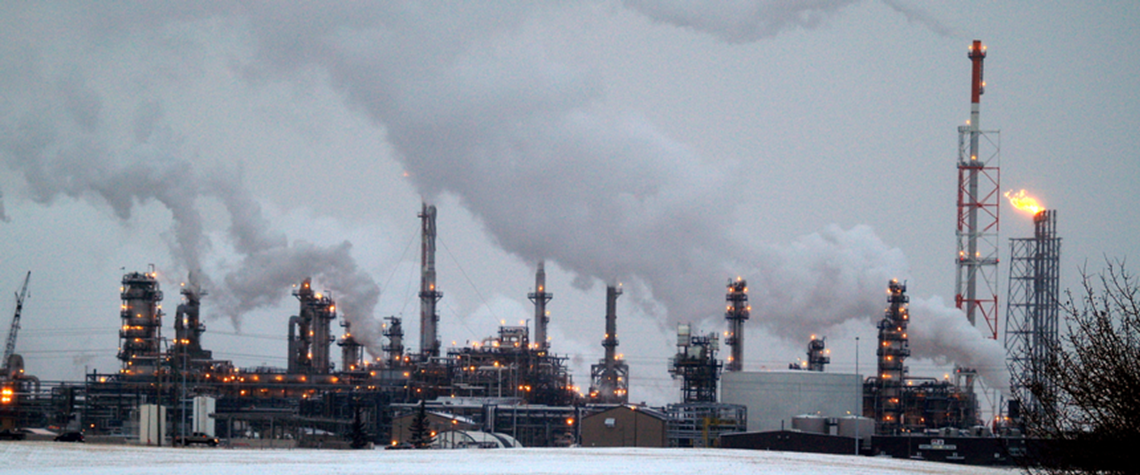
A refinery in Alberta
IEA calls for Canadian emissions reduction action
The country’s oil and gas sector is a culprit in disappointing delivery despite good policymaking
The IEA has lauded Canada’s leadership in policies to cut greenhouse gas (GHG) emissions, including its increasingly aggressive reduction targets and high and rising national carbon tax. But it also implicitly criticises the country for a lack of progress in reducing its national emissions to date. And a major reason for Canada’s failure to reduce national emissions since 2005—when they stabilised at c.730mn t after jumping over a third from 1990 levels—is continuing growth of the country’s oil and gas production, concludes the IEA’s mid-January report, Canada 2022: Energy Policy Review. This has basically negated emissions reductions elsewhere in the Canadian economy over that period, despi

Also in this section
9 April 2026
The April 2026 issue of Petroleum Economist is out now!
9 April 2026
Offshore operators are working through an FID backlog as the rig market consolidates, helped by improving project economics and a renewed security drive
2 April 2026
Alongside a rapid continued build-out of renewables, China’s latest five-year plan stresses the value of domestic hydrocarbon production for energy security and calls for increased Russian gas imports
2 April 2026
The government is taking important steps to revive domestic production, lift investment and benefit from the geopolitical crisis even if more needs to be done in the longer term


