


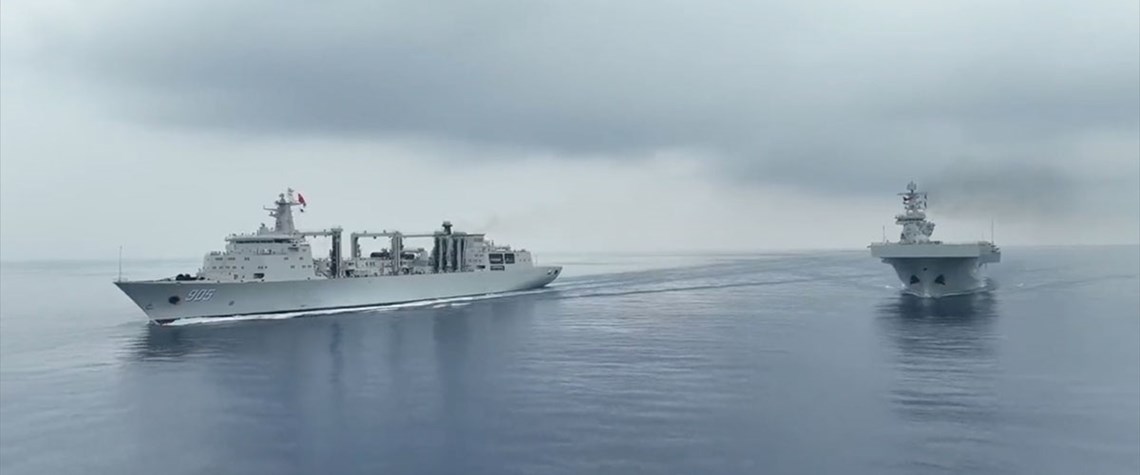
China has performed its most aggressive military drills near Taiwan in decades
Letter from China: Taiwan tensions expose energy risks
China’s heavy reliance on energy imports means it too would be vulnerable in the event of armed confrontation
The US and China managed to avoid armed confrontation last week after House Speaker Nancy Pelosi’s visit to Taiwan, but the highly charged incident underlined the risks to global energy security should a war break out between the world’s two superpowers over what Beijing calls its “renegade province”. No issue has the potential to sour US-China relations more than Taiwan, which Beijing considers part of its territory and wants to reclaim—by force if necessary. Tensions were high as the US Air Force jet carrying Pelosi landed in Taiwan’s capital of Taipei last Tuesday, marking the first visit to the democratically ruled island by a House speaker in 25 years. Pelosi met Taiwanese leaders inclu

Also in this section
14 April 2026
The GECF has warned it may revise its projections for demand this year downwards in light of conflict in the Middle East, although it maintains its forecasts for 2027 and onwards
13 April 2026
Petroleum Economist analysis highlights sharp shift from crude oversupply to market deficit, with Iraq and Kuwait badly affected and key producers Saudi Arabia and the UAE also seeing output sharply lower
13 April 2026
Turkmenistan is moving ahead with a modest expansion of the giant Galkynysh field to sustain gas deliveries abroad, but persistent delays to other key pipeline projects and geopolitical risks continue to constrain its export ambitions
13 April 2026
Expensive electricity has forced out swathes of energy-intensive industry and now threatens the country’s ability to attract future investment in datacentres and the digital economy


