


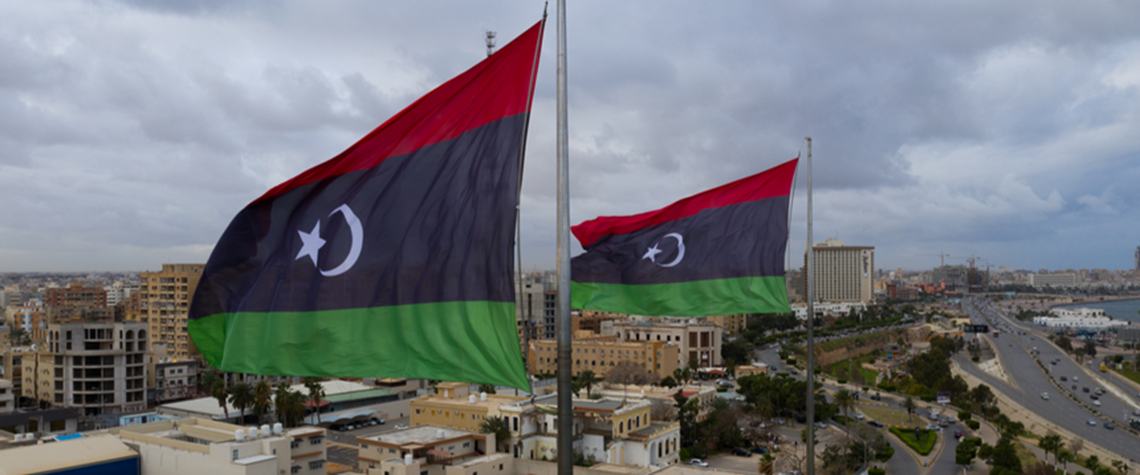
Libyan elections were meant to be held in late December
Libya’s oil industry faces renewed turbulence
After a year of relative calm, chaos has returned to Libya with the cancellation of planned elections and the emergence of two rival prime ministers
The struggle between Libya’s sitting prime minister, Abdulhamid Dbeibeh, and the man parliament wants to replace him with, Fathi Bashagha, is likely to be protracted. Neither man seems likely to devise a cabinet acceptable to all of Libya’s armed factions, raising the possibility of a return to the civil war that was suspended by a UN-brokered ceasefire in 2020. This spells a period of uncertainty for the oil sector, as Libya’s National Oil Corporation (NOC) is caught in the country’s political battles. Elections had been set for 24 December 2021, the 70th anniversary of Libya’s independence, and were to have been the culmination of a two-year-long UN peace process. That process saw two warr

Also in this section
2 April 2026
Alongside a rapid continued build-out of renewables, China’s latest five-year plan stresses the value of domestic hydrocarbon production for energy security and calls for increased Russian gas imports
2 April 2026
The government is taking important steps to revive domestic production, lift investment and benefit from the geopolitical crisis even if more needs to be done in the longer term
1 April 2026
Golden Pass’s startup offers QatarEnergy a timely boost but may also force a difficult choice between honouring disrupted contracts and capitalising on soaring spot LNG prices
1 April 2026
It is not a case of if or when, but the length and magnitude of economic damage from elevated oil prices


