


Newsletters | Request Trial | Log in | Advertise | Digital Issue   |   Search
  • Upstream
  • Midstream & Downstream
  • Gas & LNG
  • Trading & Markets
  • Corporate & Finance
  • Geopolitics
  • Podcasts
Search
Related Articles
How Russia gains from the Hormuz supply shock
The US may be systemically stripping Russia of key geopolitical allies, but Moscow can reap rewards from the Hormuz crisis, both in the short and long term
Letter from Asia: The nuanced India-Russia oil picture
The South Asian consumer’s next move could tighten the Middle East oil market overnight
China’s new oil position
OPEC, upstream investors and refiners all face strategic shifts now the Asian behemoth is no longer the main engine of global oil demand growth
Explainer: Inside China’s crude oil stockpiling black box
Energy security continues to evolve as a strategic priority amid growing geopolitical tensions highlighted by increased volumes, a new energy law and persistent secrecy
Arctic LNG 2 adds Arc7 to its shadow fleet
Having found a steady buyer in China for its sanctioned gas, the Russian project is positioned for nearly year-round operations, yet its 11-vessel ‘shadow fleet’ is still insufficient to achieve anywhere near capacity utilisation.
Explainer: What do Russia’s oil giants own overseas?
Time is running out for Lukoil and Rosneft to divest international assets that will be mostly rendered useless to them when the US sanctions deadline arrives in mid-December
Letter from London: Oil’s golden triangle
The interplay between OPEC+, China and the US will define oil markets throughout 2026
Libya’s upstream caught between hope and caution
The North African producer’s first bidding round in almost two decades is an important milestone but the recent extension suggests a degree of trepidation
Tax policy will shape Russia’s oil future
The consensus among market observers is that the country’s oil output will fall in the long term. Yet few recognise how Moscow’s shifting tax regime is designed to keep the next barrel commercially viable
The curious case of oil-on-water
The market is facing being drowned in excess crude, but one caveat is that a large chunk is due to buyers reluctant to snap up sanctioned barrels
The departure of Western firms from Russia leaves space for China
Russia China IOCs
Vladimir Kovalev
21 April 2022
Follow @PetroleumEcon
Forward article link
Share PDF with colleagues

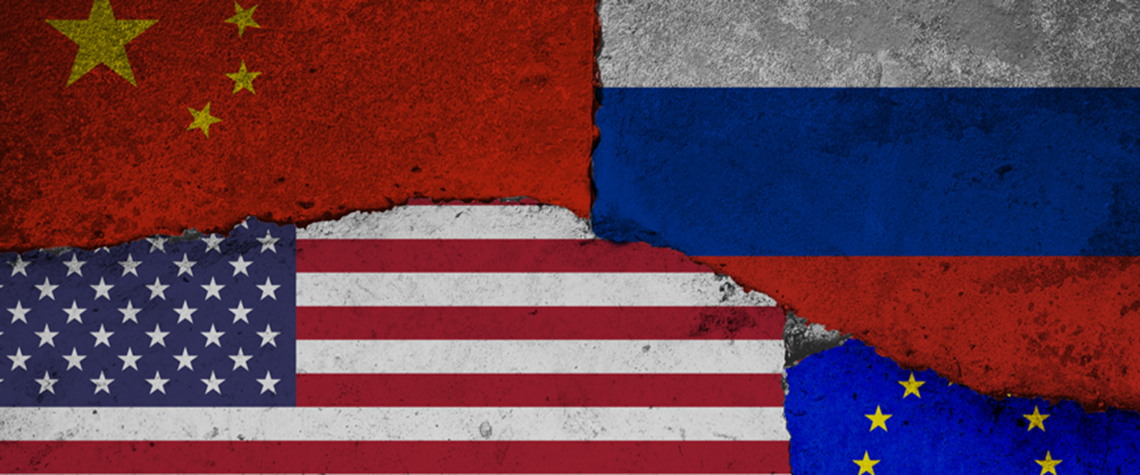
Russia hopes China can fill IOC gap

Moscow is attempting to deepen its close cooperation with Asian countries—in particular China—to minimise the impact of sanctions on its oil and gas sector

Majors such as ExxonMobil and BP abandoned their partnerships with Russia shortly after the Kremlin went to war in Ukraine. Following their departure, Moscow is looking to China as a potential replacement—at least partially—for the oil and gas sector technologies and investment that would previously have come from the West. Chinese NOCs may be the most likely partners for a number of significant projects that have lost Western investors, including the 25pc stake in state-controlled oil firm Rosneft abandoned by BP earlier this year, ExxonMobil’s former share in the Sakhalin-1 project and Norwegian state-controlled Equinor’s various joint venture stakes. Additionally, Austria’s OMV halted neg

Also in this section
A bigger and longer crisis
20 March 2026
Attacks on key oil and LNG assets across the Gulf mean a prolonged supply disruption, with damage to Qatar’s export capacity undermining confidence in the global gas system
How Russia gains from the Hormuz supply shock
20 March 2026
The US may be systemically stripping Russia of key geopolitical allies, but Moscow can reap rewards from the Hormuz crisis, both in the short and long term
Hormuz crisis delivers tailwinds for US LNG
20 March 2026
Disruptions to Qatari LNG exports have highlighted the risks of concentrated supply, potentially strengthening the long-term position of US exporters despite limited near-term flexibility
Through the oil looking glass
20 March 2026
The extent of the US-Israel war with Iran means there will be no going back to the previous market equilibrium no matter how the conflict ends

Share PDF with colleagues

COPYRIGHT NOTICE: PDF sharing is permitted internally for Petroleum Economist Gold Members only. Usage of this PDF is restricted by <%= If(IsLoggedIn, User.CompanyName, "")%>’s agreement with Petroleum Economist – exceeding the terms of your licence by forwarding outside of the company or placing on any external network is considered a breach of copyright. Such instances are punishable by fines of up to US$1,500 per infringement
Send

Forward article Link

Send
Sign Up For Our Newsletter
Project Data
Maps
Podcasts
Social Links
Featured Video
Home
  • About us
  • Subscribe
  • Reaching your audience
  • PE Store
  • Terms and conditions
  • Contact us
  • Privacy statement
  • Cookies
  • Sitemap
All material subject to strictly enforced copyright laws © 2025 The Petroleum Economist Ltd
Cookie Settings
;

Search
