


Divided congress could lead to energy policy deadlock
US energy policy set for deadlock
A divided Congress leaves President Biden with few options for pushing through his energy agenda
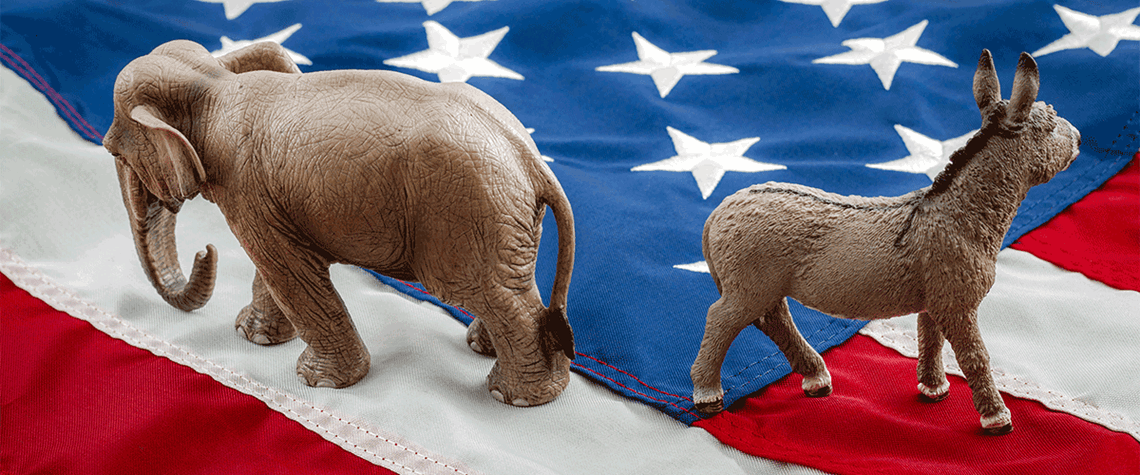
The anticipated ‘red wave’ in the US mid-term elections turned out to be little more than a ripple. The Republican Party failed to take control of the Senate and won only an extremely narrow majority in the House of Representatives. Nevertheless, after the new Congress is sworn in on 3 January, President Joe Biden will struggle to continue the legislative activism that has defined his first two years in office. “There will be political deadlock and it will be very hard to find common ground,” says Akan Kadyrbekov, oil markets analyst at consultancy Rystad Energy. “The room for major legislation just shrunk significantly.” The US oil and gas industry can breathe a sigh of relief that Biden wi

Also in this section
14 April 2026
The GECF has warned it may revise its projections for demand this year downwards in light of conflict in the Middle East, although it maintains its forecasts for 2027 and onwards
13 April 2026
Petroleum Economist analysis highlights sharp shift from crude oversupply to market deficit, with Iraq and Kuwait badly affected and key producers Saudi Arabia and the UAE also seeing output sharply lower
13 April 2026
Turkmenistan is moving ahead with a modest expansion of the giant Galkynysh field to sustain gas deliveries abroad, but persistent delays to other key pipeline projects and geopolitical risks continue to constrain its export ambitions
13 April 2026
Expensive electricity has forced out swathes of energy-intensive industry and now threatens the country’s ability to attract future investment in datacentres and the digital economy


