


Newsletters | Request Trial | Log in | Advertise | Digital Issue   |   Search
  • Upstream
  • Midstream & Downstream
  • Gas & LNG
  • Trading & Markets
  • Corporate & Finance
  • Geopolitics
  • Podcasts
Search
Related Articles
Where next in Europe’s diesel crisis?
The fate of the continent’s supply crunch may lie elsewhere—in China, the Middle East and Russia
Outlook 2023: EU diesel demand begins to shift away from Russia
Efforts to find alternative sources of middle distillate have proven sluggish but are starting to ramp up
Outlook 2023: Supply-side adjustments to end diesel crack rally in 2023
China is making strong efforts to kickstart its refining industry, and grassroots refineries are in their finishing phases around the globe
EU refineries prepare for life without Russian crude
European refiners have strong incentives to adapt to the technological and logistical challenges of the continent turning away from Russia
Europe’s refining sector struggles to adapt
Aftershocks from Russia’s invasion of Ukraine continue to roil refining and flows of products around Europe, in the Atlantic basin and across the world
Russian seaborne crude exports slow
China and India remain the most important customers for Russian volumes
Europe yet to give up Russian diesel
The continent is loath to tackle its dependence upon imports of Russian refined products
Dangote on track for Q4 commissioning
Previous updates on Africa’s largest refinery had been no more specific than sometime in 2022
Tanker market feels impact of Ukraine crisis
The tanker freight market is having to deal with sanctions, uncertainties and shifting trade flows in the aftermath of Russia’s invasion
Asian refiners’ mixed response to Ukraine conflict
Chinese refiners are yet to buy more Russian crude, while other nations in Asia may help fill Europe’s shortfall in diesel supply, according to energy intelligence firm Vortexa
EVs Electric cars Diesel
Ian Lewis
19 September 2018
Follow @PetroleumEcon
Forward article link
Share PDF with colleagues

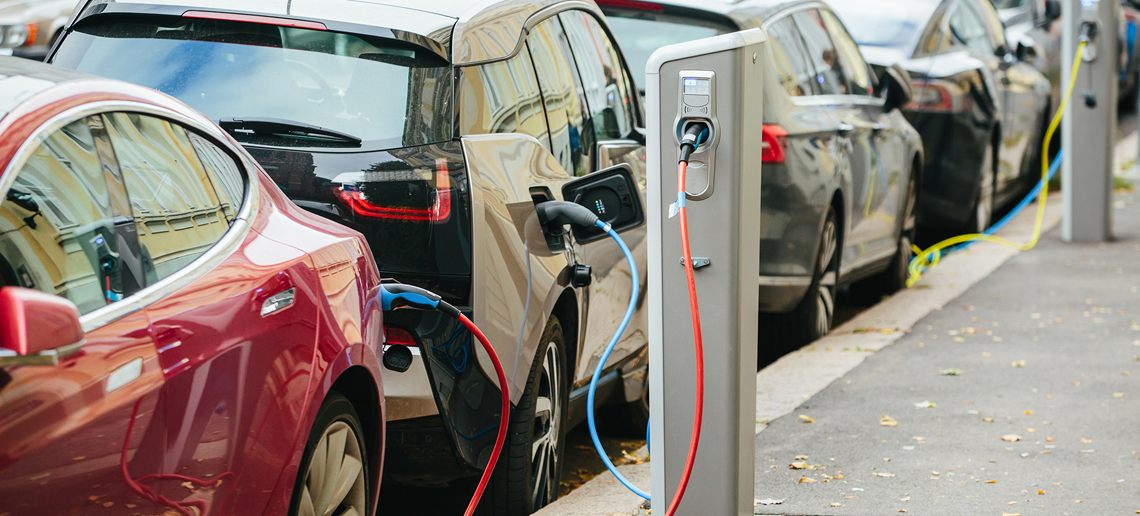
EV market accelerates on cost parity

Not everyone is a friend of electric vehicles, but the sector is on a roll that will be hard to stop

US president Donald Trump's support for the internal combustion engine (ICE) at the expense of electric vehicles (EVs) and his administration's trade war with leading EV manufacturer China has created uncertainty over the pace at which the EV market—and thus the displacement of oil in the transport sector—will happen. But industry analysts think that, with nearly all major vehicle manufacturers already heavily invested in the technology and demand set to grow among fast-growing developing economies, the shift towards lower-cost EVs is unstoppable. DNV GL, in its just-published annual Energy Transition Outlook, says it expects the global market share of EVs to soar once costs fall. "Our EV up

Also in this section
Outlook 2026: Grand plan for offshore leasing should give boost to US Gulf
24 December 2025
As activity in the US Gulf has stagnated at a lower level, the government is taking steps to encourage fresh exploration and bolster field development work
Outlook 2026: Revitalising Syria’s oil and gas sector – A new chapter
Outlook 2026
23 December 2025
The new government has brought stability and security to the country, with the door now open to international investment
Outlook 2026: LNG markets and the overhang
Outlook 2026
23 December 2025
A third wave of LNG supply is coming, and with it a likely oversupply of the fuel by 2028
Outlook 2026: Energy realism regains the initiative from energy idealism
Outlook 2026
22 December 2025
Weakening climate resolve in the developed world and rapidly growing demand in developing countries means peak oil is still a long way away

Share PDF with colleagues

COPYRIGHT NOTICE: PDF sharing is permitted internally for Petroleum Economist Gold Members only. Usage of this PDF is restricted by <%= If(IsLoggedIn, User.CompanyName, "")%>’s agreement with Petroleum Economist – exceeding the terms of your licence by forwarding outside of the company or placing on any external network is considered a breach of copyright. Such instances are punishable by fines of up to US$1,500 per infringement
Send

Forward article Link

Send
Sign Up For Our Newsletter
Project Data
Maps
Podcasts
Social Links
Featured Video
Home
  • About us
  • Subscribe
  • Reaching your audience
  • PE Store
  • Terms and conditions
  • Contact us
  • Privacy statement
  • Cookies
  • Sitemap
All material subject to strictly enforced copyright laws © 2025 The Petroleum Economist Ltd
Cookie Settings
;

Search
