


Newsletters | Request Trial | Log in | Advertise | Digital Issue   |   Search
  • Upstream
  • Midstream & Downstream
  • Gas & LNG
  • Trading & Markets
  • Corporate & Finance
  • Geopolitics
  • Podcasts
Search
Related Articles
Trump’s gasoline price pledge paradox
The US president has repeatedly promised to lower gasoline prices, but this ambition conflicts with his parallel aim to increase drilling and could be upended by his war against Iran
Middle East oil vulnerabilities have been exposed
The killing of Iran’s Supreme Leader Ayatollah Khamenei in US–Israeli strikes marks the most serious escalation in the region in decades and a bigger potential threat to the oil market than the start of the Russia-Ukraine crisis
HPI Market Data Book 2026: Global construction – Americas
Capex is concentrated in gas processing and LNG in the US, while in Canada the reverse is true
A dual-coast LNG strategy
Sempra Infrastructure’s vice president for marketing and commercial development, Carlos de la Vega, outlines progress across the company’s US Gulf Coast and Mexico Pacific Coast LNG portfolio, including construction at Port Arthur LNG, continued strong performance at Cameron LNG and development of ECA LNG
LNG steps in as Brazil’s gas boom masks tight marketable supply
With marketable supply unlikely to grow significantly and limited scope for pipeline imports, Brazil is expected to continue relying on LNG to cover supply shortfalls, Ieda Gomes, senior adviser of Brazilian thinktank FGV Energia, tells Petroleum Economist
Letter from Iran: Testing times for Tehran-Beijing crude dynamics
Growing pressure from the Trump administration continues to threaten a resilient China-Iran oil nexus
Venezuela upends global heavy crude market
The ripple effects of US refiners switching to Venezuela grades will be felt from Canada to China and everywhere in between
Letter from the US: The curse of strong energy exports
Rebuilding industry, energy dominance and lower energy costs are key goals that remain at odds in 2026
Venezuela mismanaged its oil, and US shale benefitted
Chavez’s socialist reforms boosted state control but pushed knowledge and capital out of the sector, opening the way for the US shale revolution
Venezuela’s true oil potential
The Latin American producer’s crude prospects rely on a multi-pronged approach where even the relatively easy wins will take considerable time, effort and cost
US Venezuela Brazil Mexico Shale
Bill Barnes
20 April 2018
Follow @PetroleumEcon
Forward article link
Share PDF with colleagues

Middle distillates take centre stage

Oil-product demand, especially for middle distillates, is rising more quickly that processing capacity. It's good news for refiners

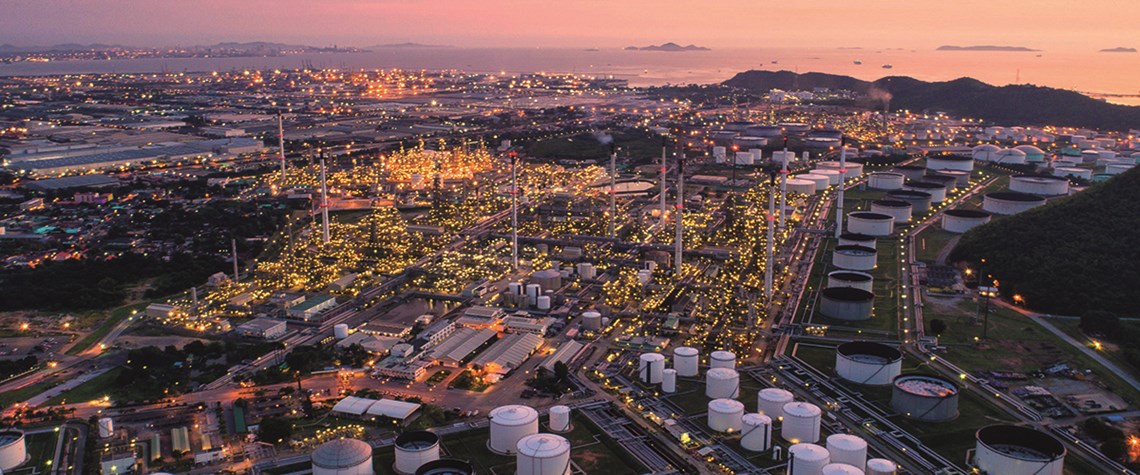
Most oil refiners should be able to look forward to a period of comfortable margins and high capacity use, as consumption rises more quickly than new nameplate capacity and the demand barrel shifts to favour middle distillates, industry officials and analysts say. But they caution that the market won't let the good times roll for everyone. "Margins should generally, globally be pretty good, but it'll depend on where you are," says Alan Gelder, head of consultancy Wood Mackenzie's refining, chemicals and oil markets division. He and others point out that while the industry can be expected to get a boost from growing petrochemicals demand and an expected shift to middle distillates from fuel o

Also in this section
Trump’s gasoline price pledge paradox
4 March 2026
The US president has repeatedly promised to lower gasoline prices, but this ambition conflicts with his parallel aim to increase drilling and could be upended by his war against Iran
Explainer: Fujairah on high alert
4 March 2026
With the Strait of Hormuz effectively closed following US-Israel strikes and Iran’s retaliatory escalation, Fujairah has become the region’s critical pressure release valve—and is now under serious threat
Middle East oil vulnerabilities have been exposed
3 March 2026
The killing of Iran’s Supreme Leader Ayatollah Khamenei in US–Israeli strikes marks the most serious escalation in the region in decades and a bigger potential threat to the oil market than the start of the Russia-Ukraine crisis
How Hormuz chokehold threatens LNG buyers
2 March 2026
A potential blockade of the Strait of Hormuz following the escalating US-Iran conflict risks disrupting Qatari LNG exports that underpin global gas markets, exposing Asia and other markets to sharp price spikes, cargo shortages and renewed reliance on dirtier fuels

Share PDF with colleagues

COPYRIGHT NOTICE: PDF sharing is permitted internally for Petroleum Economist Gold Members only. Usage of this PDF is restricted by <%= If(IsLoggedIn, User.CompanyName, "")%>’s agreement with Petroleum Economist – exceeding the terms of your licence by forwarding outside of the company or placing on any external network is considered a breach of copyright. Such instances are punishable by fines of up to US$1,500 per infringement
Send

Forward article Link

Send
Sign Up For Our Newsletter
Project Data
Maps
Podcasts
Social Links
Featured Video
Home
  • About us
  • Subscribe
  • Reaching your audience
  • PE Store
  • Terms and conditions
  • Contact us
  • Privacy statement
  • Cookies
  • Sitemap
All material subject to strictly enforced copyright laws © 2025 The Petroleum Economist Ltd
Cookie Settings
;

Search
