


EV revolution could stall due to mineral shortages
More planning is required to ensure adequate supply, researchers say
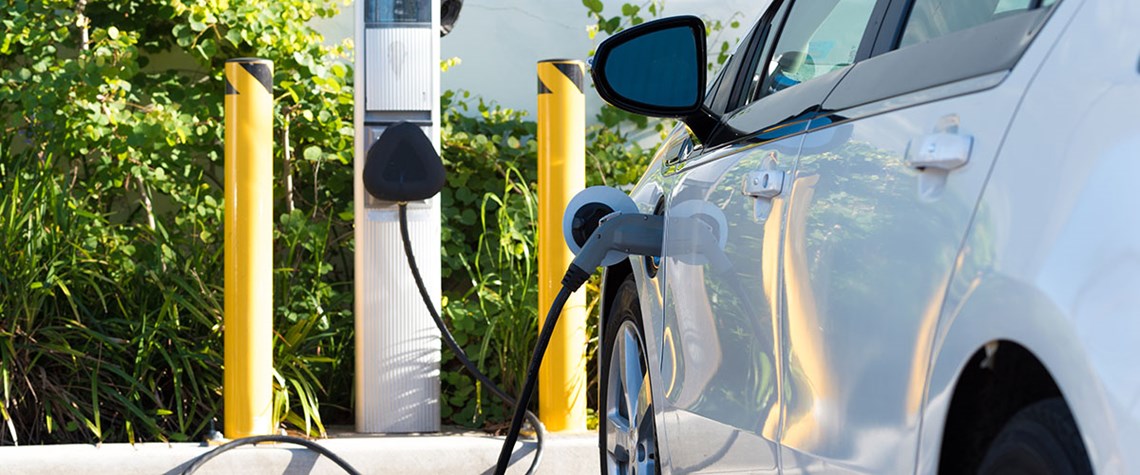
A potential shortage of minerals needed to produce the billions of batteries required to power electric vehicles (EVs) risks slowing down the transition from internal combustion engines (ICEs) to cleaner forms of transport, according to a team of UK-based scientists. Researchers working on the Security of Supply of Mineral Resources (SOS Minerals) multi-institution research programme, partly funded by the UK government, have crunched the numbers and come up with some daunting-looking headline figures. They looked at the amount of minerals required to make all cars and vans in the UK electric by 2050—based on the current UK fleet size of some 31.5mn vehicles—and for all new sales to be purely

Also in this section
2 April 2026
Alongside a rapid continued build-out of renewables, China’s latest five-year plan stresses the value of domestic hydrocarbon production for energy security and calls for increased Russian gas imports
2 April 2026
The government is taking important steps to revive domestic production, lift investment and benefit from the geopolitical crisis even if more needs to be done in the longer term
1 April 2026
Golden Pass’s startup offers QatarEnergy a timely boost but may also force a difficult choice between honouring disrupted contracts and capitalising on soaring spot LNG prices
1 April 2026
It is not a case of if or when, but the length and magnitude of economic damage from elevated oil prices


