


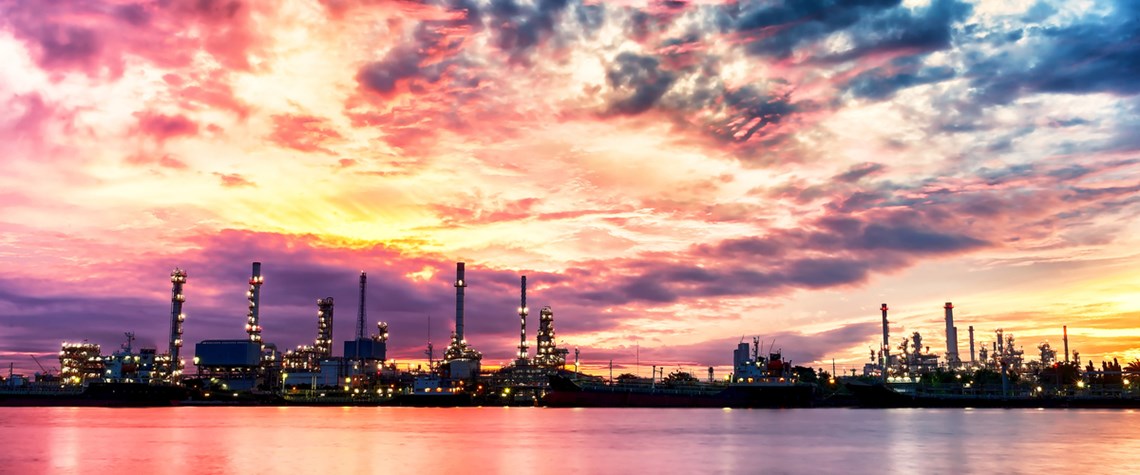
Middle East expansion further clouds global refining picture
Challenges to refiners are myriad. Another boost in Mid-East Gulf capacity brings more complexity
Refining has always held the potential to be a challenging aspect of the oil industry. But the Covid-19 crisis has put the sector firmly in the spotlight, accelerating some existing trends and ushering in new ones. Global oil demand is expected to fall by 8.5mn bl/d this year. Product balances have been upended; peak oil demand anxieties have sharpened; investments have been curtailed and balance sheets have been weakened. And some integrated oil majors have accelerated portfolio adjustments to prepare for the energy transition. To make matters worse, net refining capacity additions in the Middle East show no sign of slowing. The region is expected to add just under 2mn bl/d of new capacit

Also in this section
2 April 2026
Alongside a rapid continued build-out of renewables, China’s latest five-year plan stresses the value of domestic hydrocarbon production for energy security and calls for increased Russian gas imports
2 April 2026
The government is taking important steps to revive domestic production, lift investment and benefit from the geopolitical crisis even if more needs to be done in the longer term
1 April 2026
Golden Pass’s startup offers QatarEnergy a timely boost but may also force a difficult choice between honouring disrupted contracts and capitalising on soaring spot LNG prices
1 April 2026
It is not a case of if or when, but the length and magnitude of economic damage from elevated oil prices


