


Newsletters | Request Trial | Log in | Advertise | Digital Issue   |   Search
  • Upstream
  • Midstream & Downstream
  • Gas & LNG
  • Trading & Markets
  • Corporate & Finance
  • Geopolitics
  • Podcasts
Search
Related Articles
Explainer: Iran’s indispensable energy role
The country’s global energy importance and domestic political fate are interlocked, highlighting its outsized oil and gas powers, and the heightened fallout risk
The curious case of oil-on-water
The market is facing being drowned in excess crude, but one caveat is that a large chunk is due to buyers reluctant to snap up sanctioned barrels
MENA states sharpen their gas focus
The GCC countries and other states in the region are looking to make greater domestic use of gas, both that produced at home and imported volumes
Letter from the Middle East: Iran-Israel war risks dire straits
A blockade of the Strait of Hormuz would have reverberations that would sound around the world
Israel-Iran war imperils Egypt’s energy supply
Egypt’s government was already preparing for potential energy shortages this summer, and the loss of Israeli gas supply has made things worse
The oil risk premium fable
Israel’s attack on Iran caught oil firms with low inventories due to their efforts to protect themselves from falling prices, creating a perfect storm
Iraq seeks alternatives to Iranian gas
The country is facing energy shortfalls this summer amid reduced Iranian gas imports and difficulties leasing an FSRU
Is a Russia-Iran gas deal on the horizon?
Russia has ample spare gas, and Iran needs it, but sanctions and pricing pose steep hurdles.
Letter from Iran: High-stakes nuclear diplomacy
Iran’s oil is caught in the crosshairs of support from China and Russia and US maximum pressure, with options becoming more and more limited
Hydrocarbon Processing Refining Databook 2025: Middle East & Africa
The Middle East is focusing on modernisation and expansion projects, while Africa is seeking to reduce its imports of refined products
Iran
Simon Ferrie
29 June 2021
Follow @PetroleumEcon
Forward article link
Share PDF with colleagues

Iranian storage poses shipping headache

Iran may face crude transportation bottlenecks if and when sanctions are lifted

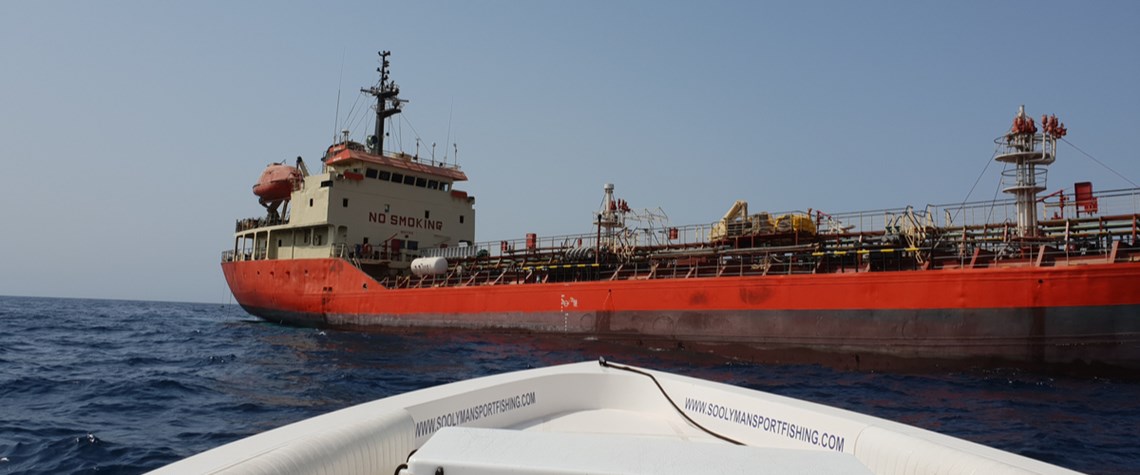
Iran and Western powers are back negotiating a tentative nuclear agreement, raising the possibility that sanctions on Iranian crude might be lifted once more. But despite Iran having huge stocks of crude already in storage, the country may experience bottlenecks—at least initially—with shipping that glut, given the state of its domestic fleet, concerns among other shipowners and insurance stipulations and requirements. State-run news agency IRNA claims that there are currently 78mn bl of Iranian crude stored aboard “tankers in Asian waters”. Energy market analytics firm Vortexa estimates that 36 tankers—comprising 31 very large crude carriers (VLCCs) and five Suezmax vessels—from the state-

Also in this section
Explainer: Iran’s indispensable energy role
16 January 2026
The country’s global energy importance and domestic political fate are interlocked, highlighting its outsized oil and gas powers, and the heightened fallout risk
Oil’s tanker transformation
16 January 2026
The global maritime oil transport sector enters 2026 facing a rare convergence of crude oversupply, record newbuild deliveries and the potential easing of several geopolitical disruptions that have shaped trade flows since 2022
Letter from the US: The curse of strong energy exports
Opinion
15 January 2026
Rebuilding industry, energy dominance and lower energy costs are key goals that remain at odds in 2026
Venezuela mismanaged its oil, and US shale benefitted
14 January 2026
Chavez’s socialist reforms boosted state control but pushed knowledge and capital out of the sector, opening the way for the US shale revolution

Share PDF with colleagues

COPYRIGHT NOTICE: PDF sharing is permitted internally for Petroleum Economist Gold Members only. Usage of this PDF is restricted by <%= If(IsLoggedIn, User.CompanyName, "")%>’s agreement with Petroleum Economist – exceeding the terms of your licence by forwarding outside of the company or placing on any external network is considered a breach of copyright. Such instances are punishable by fines of up to US$1,500 per infringement
Send

Forward article Link

Send
Sign Up For Our Newsletter
Project Data
Maps
Podcasts
Social Links
Featured Video
Home
  • About us
  • Subscribe
  • Reaching your audience
  • PE Store
  • Terms and conditions
  • Contact us
  • Privacy statement
  • Cookies
  • Sitemap
All material subject to strictly enforced copyright laws © 2025 The Petroleum Economist Ltd
Cookie Settings
;

Search
