


US oil export infrastructure faces post-boom bust
Previous anxieties over lack of infrastructure have been replaced with fears of looming overcapacity
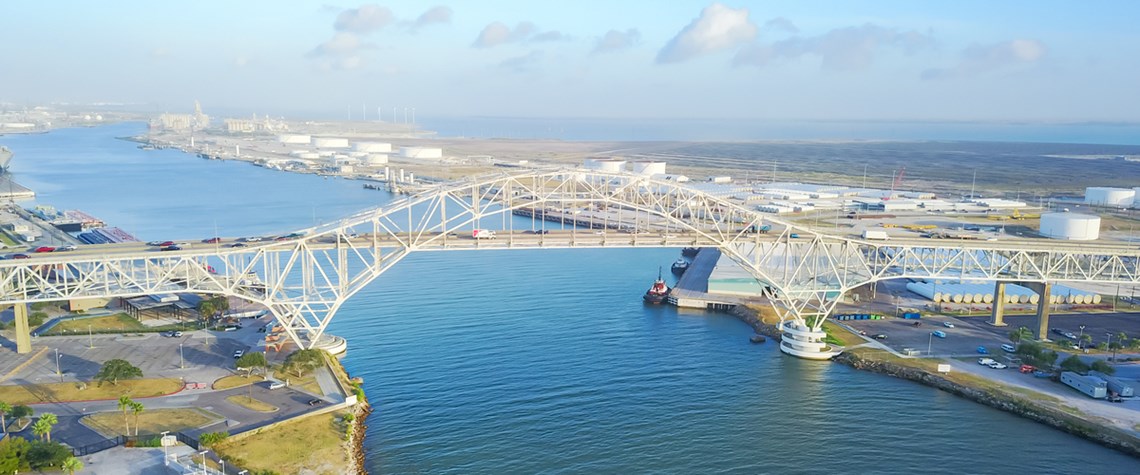
Unbuilt US oil export terminal projects proposed in recent years are stuck in limbo, their prospects for construction bleak. And while capacity at existing terminals has continued to grow, oil flows into and through these facilities have been unable to match the expansion. This is a distinct turnaround from twelve months ago, when there were concerns about crude bottlenecks on the Gulf Coast and a lack of capacity to accommodate booming exports. Global energy demand destruction sparked by the pandemic has upended all forecasts and turned the problem dramatically on its head. The flurry of new deepwater crude terminal proposals kicked off in 2018 as developers scrambled to provide new capacit

Also in this section
2 April 2026
Alongside a rapid continued build-out of renewables, China’s latest five-year plan stresses the value of domestic hydrocarbon production for energy security and calls for increased Russian gas imports
2 April 2026
The government is taking important steps to revive domestic production, lift investment and benefit from the geopolitical crisis even if more needs to be done in the longer term
1 April 2026
Golden Pass’s startup offers QatarEnergy a timely boost but may also force a difficult choice between honouring disrupted contracts and capitalising on soaring spot LNG prices
1 April 2026
It is not a case of if or when, but the length and magnitude of economic damage from elevated oil prices


