


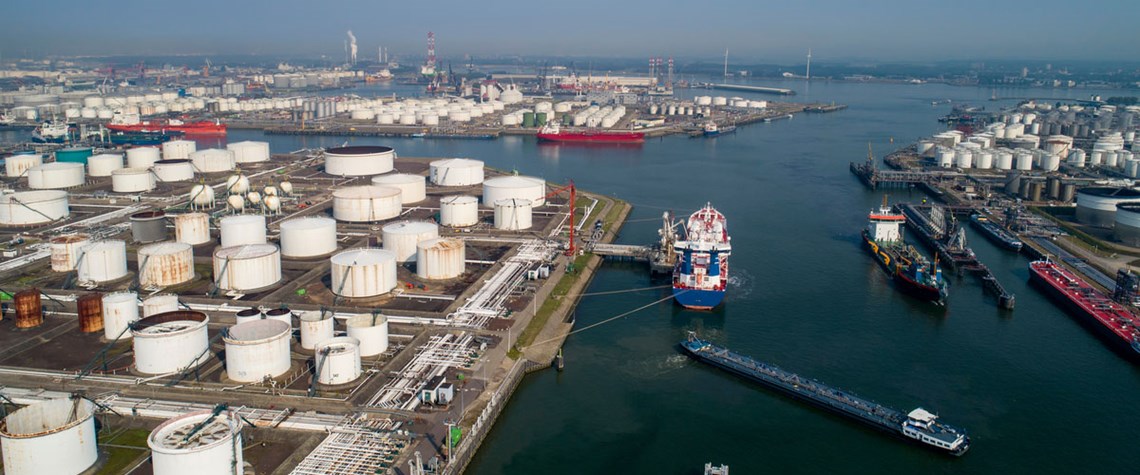
Rotterdam is a hub for European refining activity
EU refineries prepare for life without Russian crude
European refiners have strong incentives to adapt to the technological and logistical challenges of the continent turning away from Russia
European refineries are racing to secure alternative supplies and reconfigure their operations ahead of the start of the EU’s ban on seaborne Russian crude imports on 5 December. The refiners are incentivised by record-high margins for diesel and other products, as well as the looming ban on imports of Russian refined products from 5 February. Nevertheless, considerable logistical and technological challenges remain. The G7 countries announced an unspecified price cap on Russian oil shipments in early September as a kind of addendum to the decision to cut out Russian crude imports. However, traders and refiners alike report confusion in the markets as to the precise parameters of the restric

Also in this section
2 April 2026
Alongside a rapid continued build-out of renewables, China’s latest five-year plan stresses the value of domestic hydrocarbon production for energy security and calls for increased Russian gas imports
2 April 2026
The government is taking important steps to revive domestic production, lift investment and benefit from the geopolitical crisis even if more needs to be done in the longer term
1 April 2026
Golden Pass’s startup offers QatarEnergy a timely boost but may also force a difficult choice between honouring disrupted contracts and capitalising on soaring spot LNG prices
1 April 2026
It is not a case of if or when, but the length and magnitude of economic damage from elevated oil prices


