


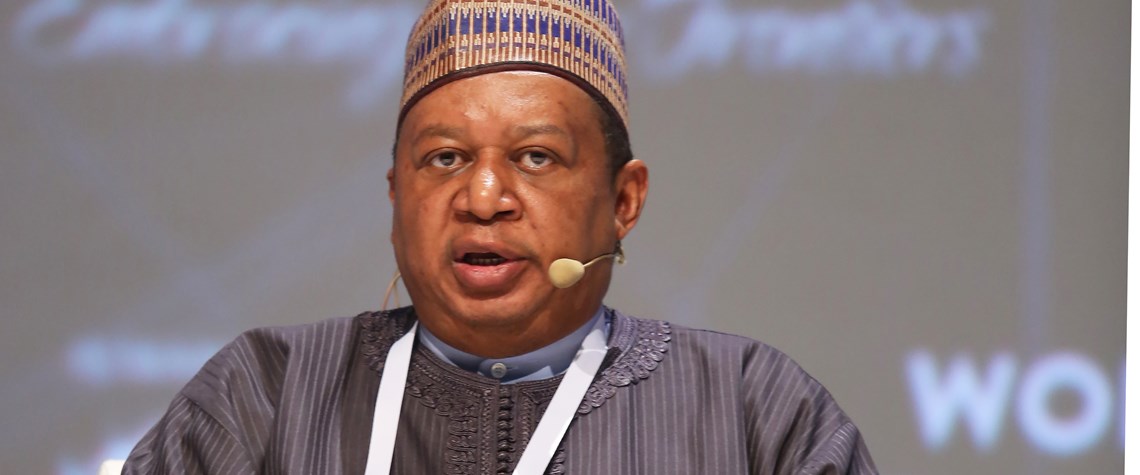
The cuts deal is central to Opec’s branding under secretary-general Mohammad Barkindo
Opec's next balancing act
The oil market is at a crux point as bullish and bearish forces battle to set the tone
After a long hot afternoon around a circular table in Algeria, Opec struck its deal with Russia to start cutting oil production. It was September 2016 and the agreement-the "Algiers Accord", as Opec now styles it—was the beginning of the end of the oil-price slump. The partners will ride back into Algiers again in the final week of September to honour the date. The deal has become central to Opec's branding under secretary-general Mohammad Barkindo. Celebrations are planned. The cutters have every reason to be pleased. The supply glut has been gone now for months. A barrel of Brent crude oil, about $55 two years ago, has traded above $70/b since mid-April 2018. Saudi Arabia is said to want t

Also in this section
2 April 2026
Alongside a rapid continued build-out of renewables, China’s latest five-year plan stresses the value of domestic hydrocarbon production for energy security and calls for increased Russian gas imports
2 April 2026
The government is taking important steps to revive domestic production, lift investment and benefit from the geopolitical crisis even if more needs to be done in the longer term
1 April 2026
Golden Pass’s startup offers QatarEnergy a timely boost but may also force a difficult choice between honouring disrupted contracts and capitalising on soaring spot LNG prices
1 April 2026
It is not a case of if or when, but the length and magnitude of economic damage from elevated oil prices


