


Newsletters | Request Trial | Log in | Advertise | Digital Issue   |   Search
  • Upstream
  • Midstream & Downstream
  • Gas & LNG
  • Trading & Markets
  • Corporate & Finance
  • Geopolitics
  • Podcasts
Search
Related Articles
Middle East oil vulnerabilities have been exposed
The killing of Iran’s Supreme Leader Ayatollah Khamenei in US–Israeli strikes marks the most serious escalation in the region in decades and a bigger potential threat to the oil market than the start of the Russia-Ukraine crisis
How Hormuz chokehold threatens LNG buyers
A potential blockade of the Strait of Hormuz following the escalating US-Iran conflict risks disrupting Qatari LNG exports that underpin global gas markets, exposing Asia and other markets to sharp price spikes, cargo shortages and renewed reliance on dirtier fuels
Letter from the Middle East: Aramco provides big global gas reveal
The Saudi energy leader’s announcement of first production at Jafurah and the launch of operations at the Tanajib Gas Plant marks a turning point not just for the company, but for the world’s energy landscape
Letter from Iran: Testing times for Tehran-Beijing crude dynamics
Growing pressure from the Trump administration continues to threaten a resilient China-Iran oil nexus
OPEC+’s cohesive restraint
The alliance is keeping output on track and the market in balance amid geopolitical tensions and a fragile supply-demand ledger
Letter from Saudi Arabia: Big oil meets big shovel
As Saudi Arabia pushes mining as a new pillar of its economy, Saudi Aramco is positioning itself at the intersection of hydrocarbons, minerals and industrial policy
Venezuela upends global heavy crude market
The ripple effects of US refiners switching to Venezuela grades will be felt from Canada to China and everywhere in between
Explainer: Iran’s indispensable energy role
The country’s global energy importance and domestic political fate are interlocked, highlighting its outsized oil and gas powers, and the heightened fallout risk
Venezuela mismanaged its oil, and US shale benefitted
Chavez’s socialist reforms boosted state control but pushed knowledge and capital out of the sector, opening the way for the US shale revolution
OPEC’s discipline sets tone for 2026
OPEC+ remains on track as output falls, with only Gabon failing to hit its output targets in December, although Kazakhstan’s compliance was involuntary
Opec Saudi Arabia Iran Venezuela Donald Trump Oil markets
12 December 2018
Follow @PetroleumEcon
Forward article link
Share PDF with colleagues

The rise and fall of oil prices in 2018

Prices rose, Trump hollered, supply signals were mixed, Iran was hit by sanctions and then prices fell back

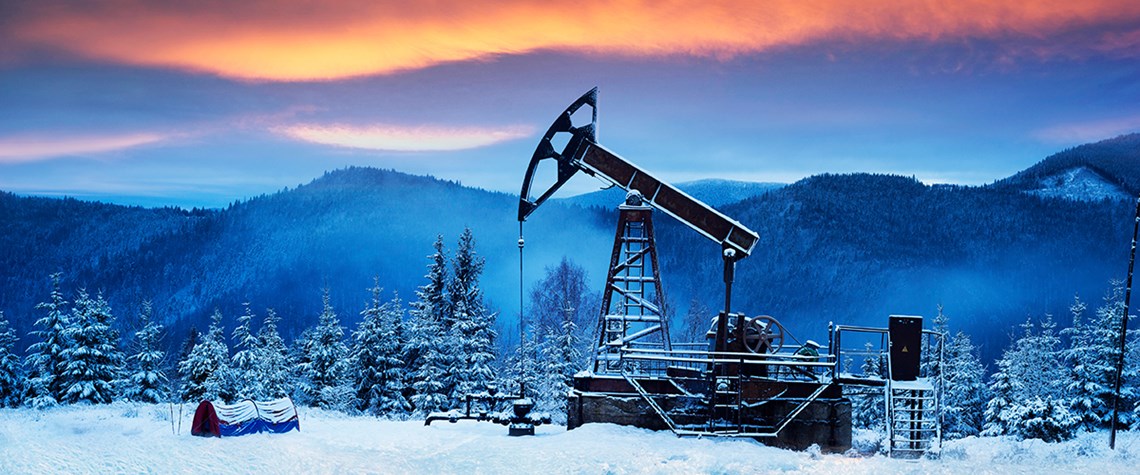
2018 proved to be another year of mixed fortunes for the oil and gas industry, with prices firming up to levels that were more common pre-2014, before dipping down in November as fears of global oversupply, amid retrenchment in global economic growth, began to kick in. Nonetheless, for most of the year, the narrative was one of steadily rising prices—sufficient for the ever-voluble US President Donald Trump to make repeated calls for price restraint from Opec. With prices rising in June, Trump tweeted on 13 June that "oil prices are too high, Opec is at it again. Not good!" Whether good or not, Trump's moves may have had some short-term impacts. On 23 June, an Opec ministers' meeting in Vien

Also in this section
European gas: From bad to much worse
4 March 2026
The continent’s inventories were already depleted before conflict erupted in the Middle East, causing prices to spike ahead of the crucial summer refilling season
Trump’s gasoline price pledge paradox
4 March 2026
The US president has repeatedly promised to lower gasoline prices, but this ambition conflicts with his parallel aim to increase drilling and could be upended by his war against Iran
Explainer: Fujairah on high alert
4 March 2026
With the Strait of Hormuz effectively closed following US-Israel strikes and Iran’s retaliatory escalation, Fujairah has become the region’s critical pressure release valve—and is now under serious threat
Middle East oil vulnerabilities have been exposed
3 March 2026
The killing of Iran’s Supreme Leader Ayatollah Khamenei in US–Israeli strikes marks the most serious escalation in the region in decades and a bigger potential threat to the oil market than the start of the Russia-Ukraine crisis

Share PDF with colleagues

COPYRIGHT NOTICE: PDF sharing is permitted internally for Petroleum Economist Gold Members only. Usage of this PDF is restricted by <%= If(IsLoggedIn, User.CompanyName, "")%>’s agreement with Petroleum Economist – exceeding the terms of your licence by forwarding outside of the company or placing on any external network is considered a breach of copyright. Such instances are punishable by fines of up to US$1,500 per infringement
Send

Forward article Link

Send
Sign Up For Our Newsletter
Project Data
Maps
Podcasts
Social Links
Featured Video
Home
  • About us
  • Subscribe
  • Reaching your audience
  • PE Store
  • Terms and conditions
  • Contact us
  • Privacy statement
  • Cookies
  • Sitemap
All material subject to strictly enforced copyright laws © 2025 The Petroleum Economist Ltd
Cookie Settings
;

Search
