


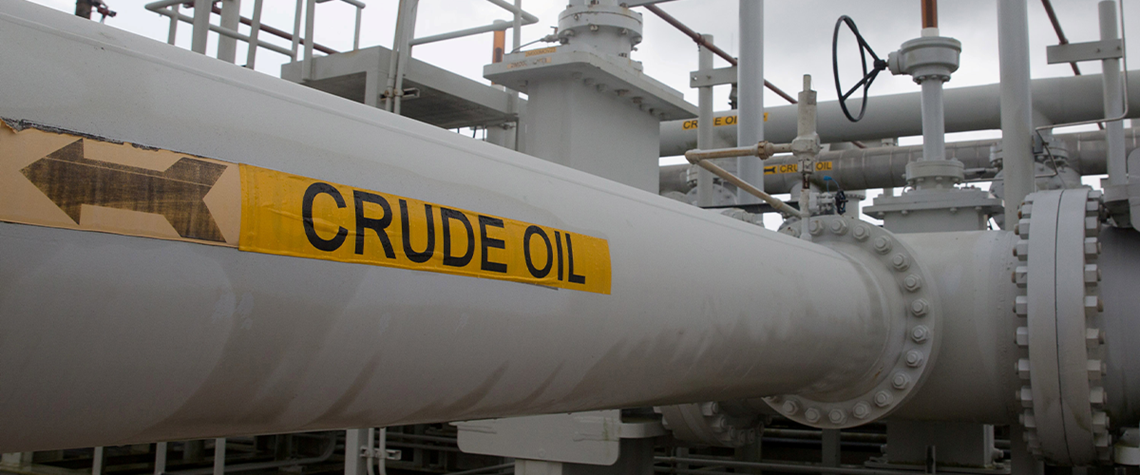
The US SPR in Freeport, Texas
US SPR faces existential crisis
As the 50th anniversary of the Arab oil embargo approaches, policymakers gripped by energy security fears must start rethinking the purpose of emergency oil stocks
The 1973–74 Arab oil embargo caused oil prices to skyrocket and prompted consuming nations to set up emergency reserves and the IEA. While these stockpiles are a crucial insurance policy for OECD economies, the US is no longer so dependent on imports and has changed the way it uses its strategic petroleum reserve (SPR). To refill or not to refill is now the question. The 2022 shock and awe tactic of releasing 180m bl from the SPR was the largest ever, undertaken from a starting reserve level of about 600m bl. For collective action (emergency drawdown), each member country’s contribution is proportionate to its share of total oil consumption. While IEA rules require each member state to hold

Also in this section
24 April 2026
The European Commission’s response to the Middle East crisis is to double down on its transition strategy, with plans for a new target on electrification
24 April 2026
A major new discovery by Eni and BP that can likely be fast-tracked to production is welcome news for Egypt as it scrambles to plug a widening supply gap and deal with rising import risks
24 April 2026
Countries in the region are turning to the cleaner-burning fuel for power generation, driving demand for imports
24 April 2026
The US has used booming shale production to massively expand its LNG infrastructure, but Canadian developments have not fare so well while in South America consumption outstrips production


