


America's export machine cranks up
Shipments of oil and gas hit new highs in 2016. As drilling picks up and new infrastructure is built, 2017 could be another record breaker
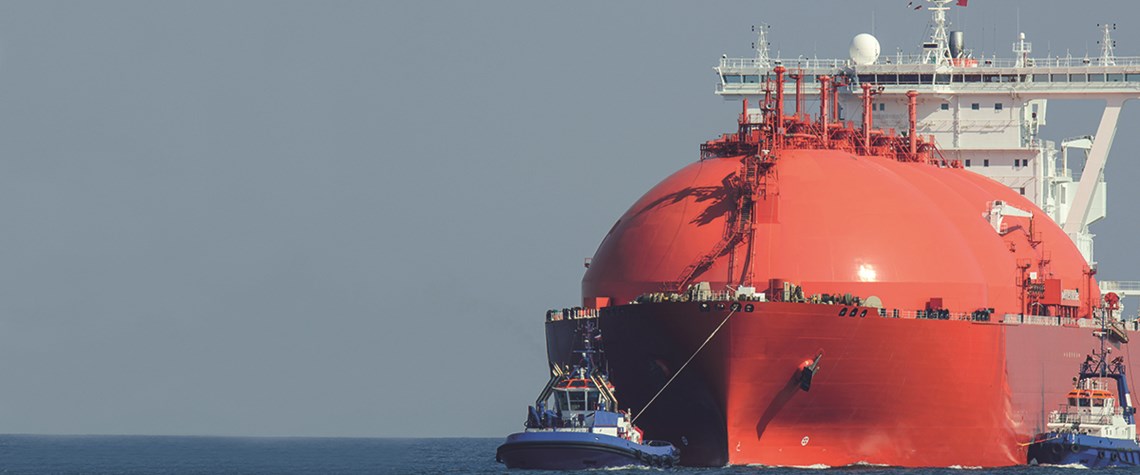
Oil tankers and liquefied natural gas carriers are not a new site in ports along the US' Gulf Coast, long a vital hub in the global energy trade. But the direction of traffic is new. Those ships now often leave US shores laden with American crude, fuel, liquefied natural gas and natural gas liquids. US energy is making its way to all corners of the globe, disrupting long-established trade routes. One morning in late March, for instance, saw the Gallina and Valencia Knutsen LNG tankers—both members of Shell's fleet—filling up at Cheniere Energy's Sabine Pass export facility in Louisiana, ready to ferry more super-chilled US shale gas to consumers in Europe and Asia. At the same time, just up

Also in this section
15 April 2026
The continent is seeing political pushback to climate plans, corporate reassessment of transition goals and rising supply risk in a fractured global order
15 April 2026
The Middle East energy crisis may turn out to be pivotal to the industry’s long-term expansion, but significant challenges still stand in its way
15 April 2026
The country plays a vital role in connecting Asia to Europe, but the expiration of Russian contracts and the ramifications of the war in Iran are placing it under pressure
14 April 2026
The GECF has warned it may revise its projections for demand this year downwards in light of conflict in the Middle East, although it maintains its forecasts for 2027 and onwards


