


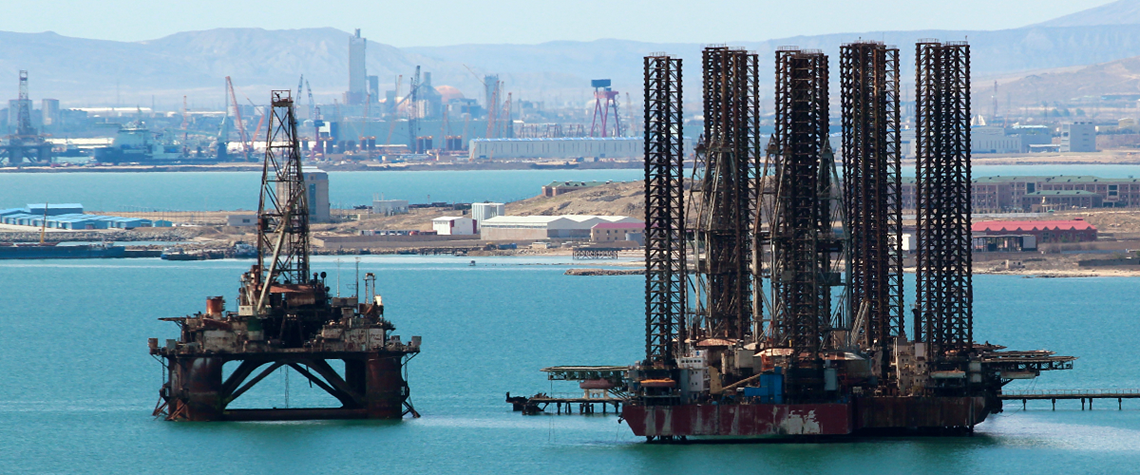
Caspian neither a sea nor a lake, apparently
An agreement of sorts has been reached on how to carve up the Caspian
The five countries bordering the Caspian Sea have come up with a fudged definition of its status, which while potentially confusing, has at least broken an impasse over how to divide up its waters and seabed. In doing so it could jolt some stalled oil and gas developments back into life. For years, the nations around the Caspian have haggled over whether the world's largest inland body of water should be classified as a sea or a lake. In the end, following a mid-August meeting in the Kazakh port of Aktau, those countries - Azerbaijan, Iran, Kazakhstan, Russia and Turkmenistan—agreed that it should be classified as neither and be subject to a special set of rules. It's not an academic exercis

Also in this section
9 April 2026
The April 2026 issue of Petroleum Economist is out now!
9 April 2026
Offshore operators are working through an FID backlog as the rig market consolidates, helped by improving project economics and a renewed security drive
2 April 2026
Alongside a rapid continued build-out of renewables, China’s latest five-year plan stresses the value of domestic hydrocarbon production for energy security and calls for increased Russian gas imports
2 April 2026
The government is taking important steps to revive domestic production, lift investment and benefit from the geopolitical crisis even if more needs to be done in the longer term


