


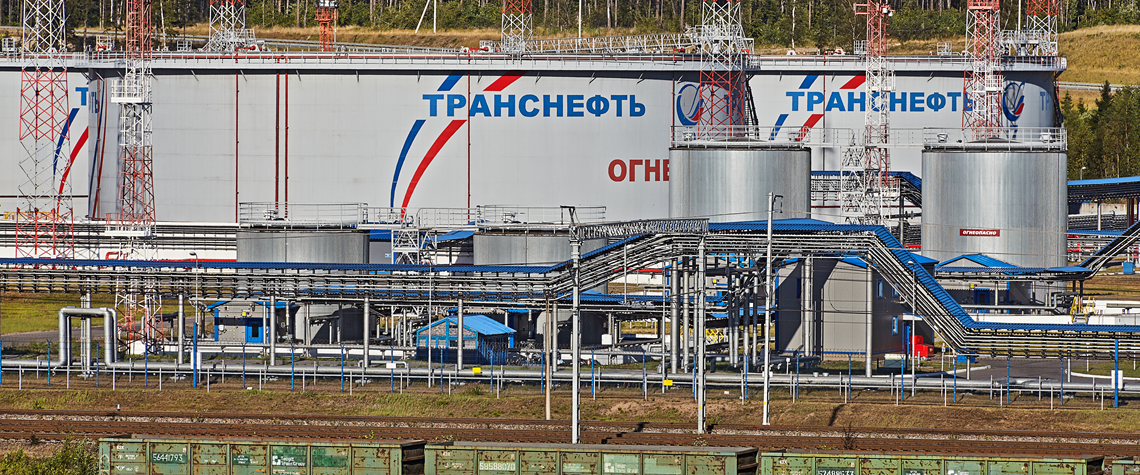
Russian oil hits another peak
The country’s 2019 production reached a further post-Soviet high, marking another year Moscow fell short of cuts promised to its Opec partners
Russia’s oil and gas condensate output totalled 560.2mn t in January-December 2019, or 11.25mn bl/d, according to data from the country’s energy ministry data, up from 555.8mn t (11.16mn bl/d) in 2018. December production totalled 47.63mn t (11.26mn bl/d), a 3.4pc month-on-month increase month, but a 1.7pc decline year-on-year. Growth came largely on the back of increased contributions from a number of greenfield projects operated by national oil champion Rosneft, says Vasilii Tanurkov, director at Moscow-based ratings group Acra. These included the Yurubcheno-Tokhomskoye, Srednebotuobinskoye, Kuyumbinskoye and Taas-Yuryakh fields in eastern Siberia and Kondinskoye, Russkoye, and East-Messoy

Also in this section
24 March 2026
It is an unusual story of out with the new and in with the old, as America First Refining shows the US going back to trusted energy security developments
23 March 2026
A complex and sometimes contradictory web of factors that include unpredictable oil prices, the globalisation of LNG markets, the expansion of Middle Eastern sovereign capital and the growth of datacentre demand will shape the energy landscape beyond 2026
23 March 2026
The Strait of Hormuz crisis highlights how key waterways can become global chokepoints
20 March 2026
Attacks on key oil and LNG assets across the Gulf mean a prolonged supply disruption, with damage to Qatar’s export capacity undermining confidence in the global gas system


