


Newsletters | Request Trial | Log in | Advertise | Digital Issue   |   Search
  • Upstream
  • Midstream & Downstream
  • Gas & LNG
  • Trading & Markets
  • Corporate & Finance
  • Geopolitics
  • Podcasts
Search
Related Articles
Outlook 2026: Angola’s upstream transformation and the role of independents
The country is focused on boosting output and offers a winning combination of stability, a reforming government, an established industry and vast untapped reserves
Angola's gas breakthrough
While commerciality still needs to be fully confirmed, Azule has hailed the find as a “landmark moment” for gas exploration in the southwest African country—better known for its substantial oil production.
Hydrocarbon Processing Refining Databook 2025: Middle East & Africa
The Middle East is focusing on modernisation and expansion projects, while Africa is seeking to reduce its imports of refined products
Angola eyes upstream revamp
West African producer’s national oil agency considers licensing overhaul for faster rounds
Africa’s new breed of buyers eye production ramp-ups
Domestic companies in Nigeria and other African jurisdictions are buying assets from existing majors they view as more likely to deliver production upside under their stewardship
Sonangol must escape former regime’s shadow to achieve IPO
Angola is unlikely to meet the official timeline for an IPO of state-owned oil giant Sonangol in 2026
Letter on Africa: New African refineries could help break old dependencies
A profound shift is occurring in the global refining sector, one which might help redefine Africa’s place in worldwide trade networks
Expanded Afentra eyes fresh growth
The independent is keen to supply feedgas for Angola LNG and is assessing opportunities both in and beyond the southern African nation
Angola project thwarts upstream decline
Kaminho deepwater FID raises hopes of reigniting much-needed further investment in ailing sector
Angola high oil potential blocks for award
Eight blocks in the Lower Congo and Kwanza onshore basins available for award
Zinia Phase 2 was developed on schedule and 10pc below budget
Angola
Simon Ferrie
10 May 2021
Follow @PetroleumEcon
Forward article link
Share PDF with colleagues

Angola brings new deepwater project online

Production at Zinia Phase 2 comes after years of upstream stagnation

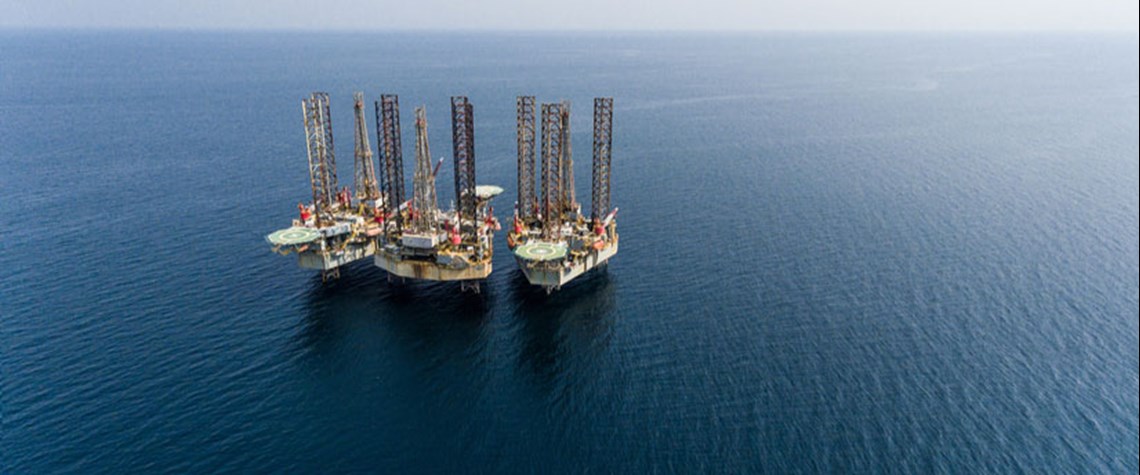
Angola’s Zinia Phase 2 field has started production and is expected to reach 40,000bl/d oe by mid-2022. The project is a brownfield, short-cycle oil development in the wider block 17, which is operated by France’s Total with a 38pc stake. The other shareholders are Norway’s Equinor (22.16pc), ExxonMobil (19pc), BP (15.84pc) and NOC Sonangol (5pc). Zinia Phase 2 connects to the existing Pazflor FPSO and was developed on schedule and 10pc below budget, resulting in a saving of $150mn, even amid pandemic disruption. Total’s decision to proceed on the project in 2018 marked Angola’s first deepwater FID in four years and came as the country began reforms intended to revive its stalled upstream

Also in this section
Trump’s gasoline price pledge paradox
4 March 2026
The US president has repeatedly promised to lower gasoline prices, but this ambition conflicts with his parallel aim to increase drilling and could be upended by his war against Iran
Explainer: Fujairah on high alert
4 March 2026
With the Strait of Hormuz effectively closed following US-Israel strikes and Iran’s retaliatory escalation, Fujairah has become the region’s critical pressure release valve—and is now under serious threat
Middle East oil vulnerabilities have been exposed
3 March 2026
The killing of Iran’s Supreme Leader Ayatollah Khamenei in US–Israeli strikes marks the most serious escalation in the region in decades and a bigger potential threat to the oil market than the start of the Russia-Ukraine crisis
How Hormuz chokehold threatens LNG buyers
2 March 2026
A potential blockade of the Strait of Hormuz following the escalating US-Iran conflict risks disrupting Qatari LNG exports that underpin global gas markets, exposing Asia and other markets to sharp price spikes, cargo shortages and renewed reliance on dirtier fuels

Share PDF with colleagues

COPYRIGHT NOTICE: PDF sharing is permitted internally for Petroleum Economist Gold Members only. Usage of this PDF is restricted by <%= If(IsLoggedIn, User.CompanyName, "")%>’s agreement with Petroleum Economist – exceeding the terms of your licence by forwarding outside of the company or placing on any external network is considered a breach of copyright. Such instances are punishable by fines of up to US$1,500 per infringement
Send

Forward article Link

Send
Sign Up For Our Newsletter
Project Data
Maps
Podcasts
Social Links
Featured Video
Home
  • About us
  • Subscribe
  • Reaching your audience
  • PE Store
  • Terms and conditions
  • Contact us
  • Privacy statement
  • Cookies
  • Sitemap
All material subject to strictly enforced copyright laws © 2025 The Petroleum Economist Ltd
Cookie Settings
;

Search
