


Newsletters | Request Trial | Log in | Advertise | Digital Issue   |   Search
  • Upstream
  • Midstream & Downstream
  • Gas & LNG
  • Trading & Markets
  • Corporate & Finance
  • Geopolitics
  • Podcasts
Search
Related Articles
Outlook 2026: Freedom gas, captive buyer
Japan once wrote the book on LNG supply diversification, but it is now looking increasingly reliant on a single major provider
Outlook 2026: LNG markets and the overhang
A third wave of LNG supply is coming, and with it a likely oversupply of the fuel by 2028
Outlook 2026: The geopolitical weaponisation of LNG
Global gas markets are being reshaped by politics as much as by gas prices and fundamentals. From Washington to Doha, Brussels and Beijing, LNG has become a strategic weapon as much as a commodity
Outlook 2026: LNG’s Pacific FID race heats up – Ramp-ups, rejuvenations and restarts
The US Gulf dominated investment decisions this year, but Asian importers’ concerns over supplier diversity mean the focus is shifting
Letter from London: Oil’s golden triangle
The interplay between OPEC+, China and the US will define oil markets throughout 2026
The curious case of oil-on-water
The market is facing being drowned in excess crude, but one caveat is that a large chunk is due to buyers reluctant to snap up sanctioned barrels
Explainer: How the EU will wean itself off Russian gas
Questions remain about how the phase-out will be implemented and enforced in practice
China’s oil plan comes together
The country’s rapid output growth is an example that other producers could learn from
China seizes oil security opportunity
A combination of geopolitical uncertainty and OPEC+ barrels has driven a renewed focus on building strategic oil stocks despite flagging demand
Mideast states power up their gas priorities
Saudi Arabia, the UAE and Qatar are ploughing resources into gas—with a growing eye on facilitating domestic use in power and value-added sectors
Opinion
China LNG
Shi Weijun
Beijing
15 February 2021
Follow @PetroleumEcon
Forward article link
Share PDF with colleagues

Letter from China: State firms stay committed to hydrocarbons

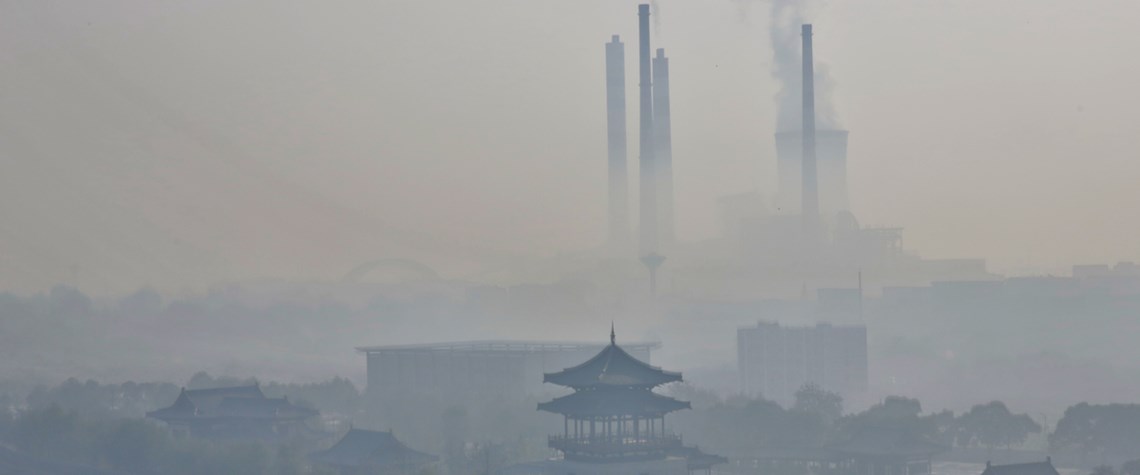
Beijing has made big promises on emissions, but China’s NOCs are still going for gas

As BP marked its UK offshore wind debut with a blockbuster winning bid, on the other side of the world one of China’s biggest energy producers got to work installing a giant floating platform in a show of commitment to fossil fuels. The 100,000t floating production, storage and offloading (FPSO) platform—the world’s biggest, according to operator Cnooc, one of Chinas’ ‘big three’ state-controlled oil and gas firms—will serve China’s first domestically operated deepwater gas field in the South China Sea. Built to last 150 years, it will help the Lingshui 17-2 field meet one-quarter of gas demand in the sprawling Greater Bay Area, which includes Hong Kong and Macao. Cnooc’s work at the Lingshu

Also in this section
Gas deal keeps Lebanon’s offshore hopes alive
23 January 2026
The signing of a deal with a TotalEnergies-led consortium to explore for gas in a block adjoining Israel’s maritime area may breathe new life into the country’s gas ambitions
Letter from Saudi Arabia: Big oil meets big shovel
Opinion
22 January 2026
As Saudi Arabia pushes mining as a new pillar of its economy, Saudi Aramco is positioning itself at the intersection of hydrocarbons, minerals and industrial policy
Turkey locks in more Azeri gas
22 January 2026
New long-term deal is latest addition to country’s rapidly evolving supply portfolio as it eyes role as regional gas hub
Oil in 2026: Five factors to watch
21 January 2026
Petroleum Economist takes a look at the critical developments that look set to govern the course of the market for this year

Share PDF with colleagues

COPYRIGHT NOTICE: PDF sharing is permitted internally for Petroleum Economist Gold Members only. Usage of this PDF is restricted by <%= If(IsLoggedIn, User.CompanyName, "")%>’s agreement with Petroleum Economist – exceeding the terms of your licence by forwarding outside of the company or placing on any external network is considered a breach of copyright. Such instances are punishable by fines of up to US$1,500 per infringement
Send

Forward article Link

Send
Sign Up For Our Newsletter
Project Data
Maps
Podcasts
Social Links
Featured Video
Home
  • About us
  • Subscribe
  • Reaching your audience
  • PE Store
  • Terms and conditions
  • Contact us
  • Privacy statement
  • Cookies
  • Sitemap
All material subject to strictly enforced copyright laws © 2025 The Petroleum Economist Ltd
Cookie Settings
;

Search
