


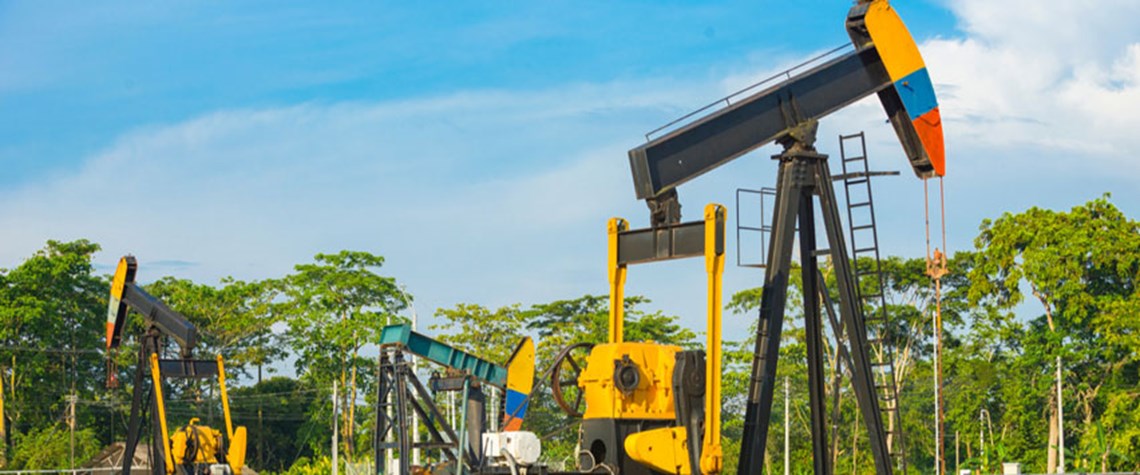
Colombian oil production has slipped into decline
Warning signs for Colombia’s upstream
The clock is ticking to prevent years of crude production decline ending the country’s ability to meet its own energy needs
Months of national protests last year dealt another blow to Colombia’s ambitions of reviving its flagging crude production. The country’s National Hydrocarbons Agency (ANH) estimates that output averaged just 736,397bl/d in 2021, down from 779,119bl/d the year before, which was already an 11-year low. “There has not been a significant increase in proven resource volume in years,” says Sofia Forestieri, an upstream analyst at consultancy Rystad Energy. “Crude resources total 1.8bn bl and, at the current rate, [Colombia] will only be able to sustain production for another five or six years.” Latin America’s third-largest oil producer reached peak production in 2013, with output at 990,000bl/d,

Also in this section
28 April 2026
Oil traders warning of $200/bl oil are wrong, and the market should be wary of proclamations that the impact of the oil shortage has only begun to be felt and a that a ‘harsh adjustment’ is coming—even for industrialised nations
28 April 2026
Restoring supply from Saudi Arabia, the UAE, Kuwait, Qatar, Bahrain and Iraq involves complexities far beyond simply adjusting operational controls
28 April 2026
Datacentres will guzzle power at a ferocious rate, but the impact on wider energy markets will be far more complex than previously thought
28 April 2026
The key energy player faces balancing regional routes, political complexities, and creating a clear strategic vision for energy security


