


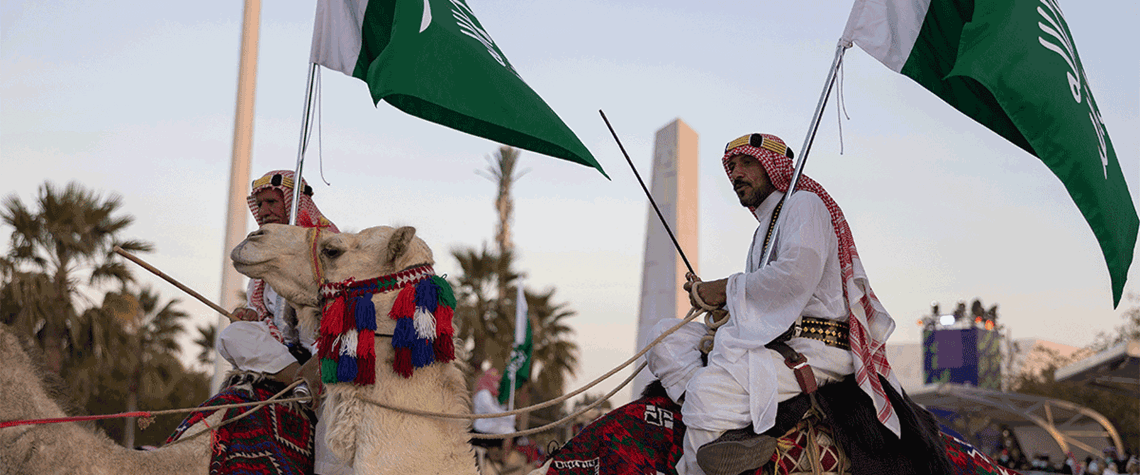
Ithra (King Abdulaziz Center for World Culture) celebrates the first ‘Founding Day’ holiday in Saudi Arabia
Mideast upstream long-term outlooks diverge
The region’s producers have their own specific goals and face drastically different challenges
This year will see global upstream oil and gas field development capex rise by 11pc year-on-year, to around $475bn, a significant improvement from 2020’s lows, according to Renaissance Energy’s forecast. The aggregate numbers, however, obscure significant variation. Much of this year’s increase in capex—when adjusted for inflation—is more modest. With questions looming around whether the global oil industry is underinvesting and the challenge of financing upstream projects, how is the Middle East positioned for the decade ahead? Despite Opec+ grabbing headlines last year for its nominal 2mn bl/d cut in production—which has been in place since November 2022—the highlight of the year was the s

Also in this section
2 April 2026
Alongside a rapid continued build-out of renewables, China’s latest five-year plan stresses the value of domestic hydrocarbon production for energy security and calls for increased Russian gas imports
2 April 2026
The government is taking important steps to revive domestic production, lift investment and benefit from the geopolitical crisis even if more needs to be done in the longer term
1 April 2026
Golden Pass’s startup offers QatarEnergy a timely boost but may also force a difficult choice between honouring disrupted contracts and capitalising on soaring spot LNG prices
1 April 2026
It is not a case of if or when, but the length and magnitude of economic damage from elevated oil prices


