


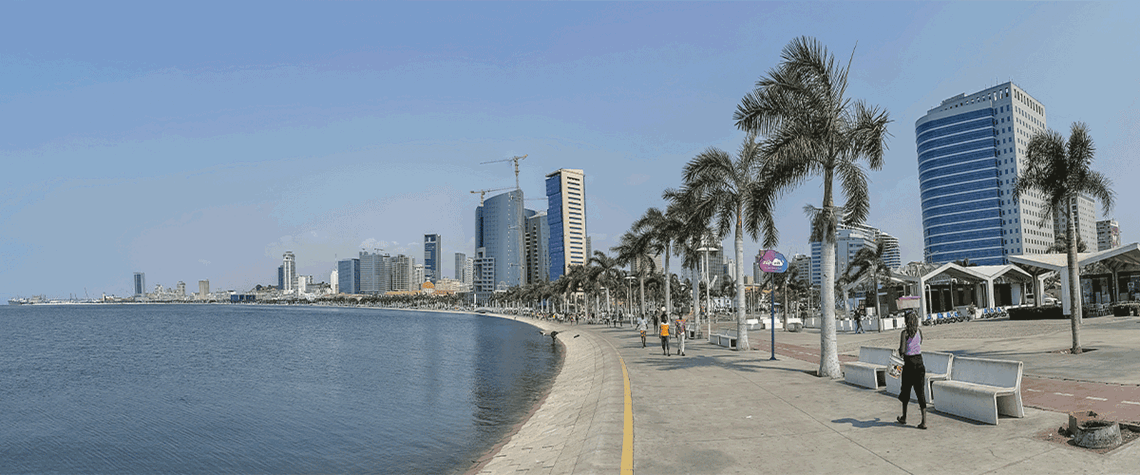
The Angolan capital, Luanda
Angola’s OPEC departure runs deep
Luanda’s decision to leave the influential group surprised many observers but may have been coming for some time
Angola announced its decision to withdraw from OPEC on 21 December, effective 1 January, after 16 years of membership. In an official statement, sub-Saharan Africa’s second-largest oil producer said that it “needs to concentrate its efforts on implementing the strategies defined in the National Development Plan for the national oil sector”. Angola’s minister of mineral resources, oil and gas, Diamantino Azevedo, said OPEC’s allocation at the end of November of a 1.11m b/d production quota "was not taken unanimously and went against Angola's position”, with Luanda instead targeting 1.18m b/d in 2024. OPEC’s revised quota “would force Angola to cut its production by 70,000b/d”, the statement f

Also in this section
9 April 2026
The April 2026 issue of Petroleum Economist is out now!
9 April 2026
Offshore operators are working through an FID backlog as the rig market consolidates, helped by improving project economics and a renewed security drive
2 April 2026
Alongside a rapid continued build-out of renewables, China’s latest five-year plan stresses the value of domestic hydrocarbon production for energy security and calls for increased Russian gas imports
2 April 2026
The government is taking important steps to revive domestic production, lift investment and benefit from the geopolitical crisis even if more needs to be done in the longer term


