


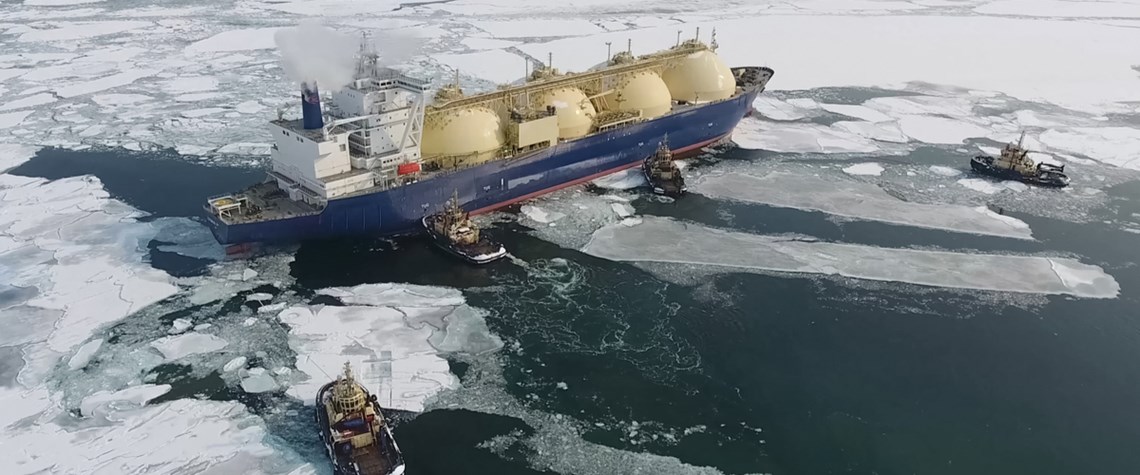
LNG shipping set for more challenges
The sector may have seen a more rational 2020 so far. But that is no guarantee it has learnt its lessons
Some capital discipline appears to have materialised—or perhaps been forced on to ship owners—in the LNG shipping sector in 2020, after several years of subpar returns, deeply depressed share prices and general angst. But there remain significant risks to calling any definitive return to better times. LNG shipping has over the past 10-15 years transitioned from a floating pipeline market to a more commoditised, increasingly spot-orientated business more similar to the crude tanker market. The combination of an increased number of LNG buyers and sellers and a knife fight to win long-term contracts led to ship owners increasingly being willing to accept: 1) building on a speculative basis i

Also in this section
24 March 2026
It is an unusual story of out with the new and in with the old, as America First Refining shows the US going back to trusted energy security developments
23 March 2026
A complex and sometimes contradictory web of factors that include unpredictable oil prices, the globalisation of LNG markets, the expansion of Middle Eastern sovereign capital and the growth of datacentre demand will shape the energy landscape beyond 2026
23 March 2026
The Strait of Hormuz crisis highlights how key waterways can become global chokepoints
20 March 2026
Attacks on key oil and LNG assets across the Gulf mean a prolonged supply disruption, with damage to Qatar’s export capacity undermining confidence in the global gas system


