


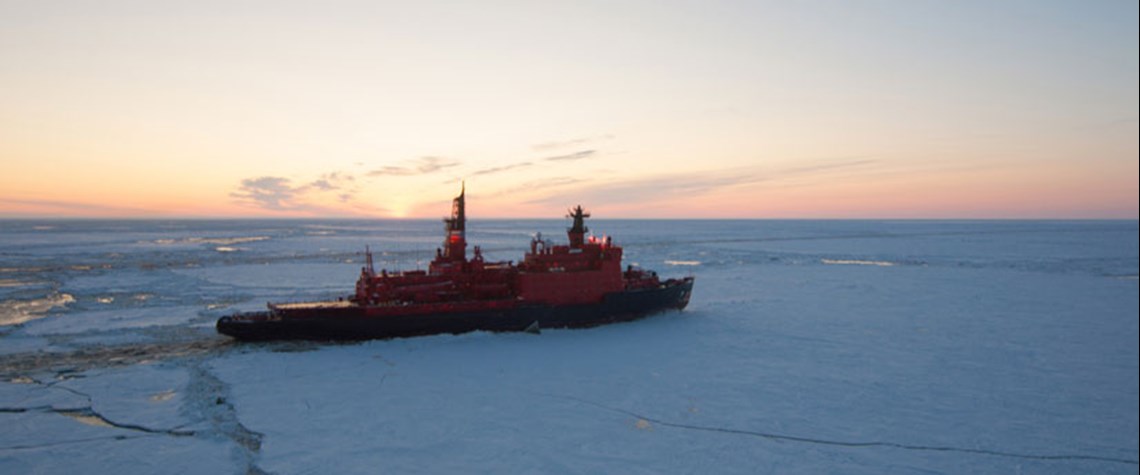
The Arctic navigation window has increased but is still not year-round
Winter LNG transit highlights Arctic’s growing role
Russia is leading the charge to normalise Arctic shipping as the region warms
Arctic waters are becoming increasingly navigable as a result of climate change, and Russia is leading the way in attempting to normalise shipping in high latitude regions. To the west, Canada and the US are already in disagreement over the status of the Northwest Passage. But shipping in the Arctic still poses significant challenges and is likely to remain mostly confined to Russian LNG shipments for now. The Northern Sea Route (NSR) along Russia’s Arctic coast cuts the voyage from Europe to Asia “by more than a third”, according to Russian deputy prime minister Yury Trutnev. A total of 33mn t of cargo, including 18mn t of LNG, was transported via the route in 2020, a fivefold increase in f

Also in this section
14 April 2026
The GECF has warned it may revise its projections for demand this year downwards in light of conflict in the Middle East, although it maintains its forecasts for 2027 and onwards
13 April 2026
Petroleum Economist analysis highlights sharp shift from crude oversupply to market deficit, with Iraq and Kuwait badly affected and key producers Saudi Arabia and the UAE also seeing output sharply lower
13 April 2026
Turkmenistan is moving ahead with a modest expansion of the giant Galkynysh field to sustain gas deliveries abroad, but persistent delays to other key pipeline projects and geopolitical risks continue to constrain its export ambitions
13 April 2026
Expensive electricity has forced out swathes of energy-intensive industry and now threatens the country’s ability to attract future investment in datacentres and the digital economy


