


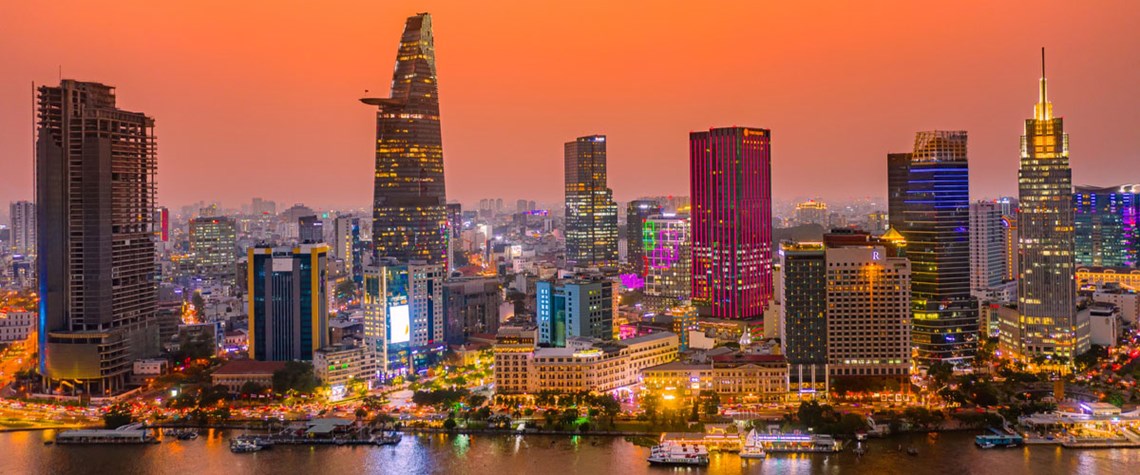
Ho Chi Minh City, Vietnam
Three key hurdles for Vietnam’s LNG-to-power sector
Tariffs, location and bureaucracy are obstacles to be overcome to drive greater use of gas in Vietnam’s power sector
Vietnam is in the process of switching to gas from a heavy reliance on coal-fired generation, with as many as 18 gas-to-power projects and nine LNG terminals under development. Substituting coal will have a major impact on ESG and carbon savings, but LNG and gas-to-power developments still face obstacles in Vietnam, speakers told Petroleum Economist’s LNG to Power Forum Apac event in Singapore in mid-May. Vietnam needs to make progress on infrastructure projects—particularly grid upgrades and improvements— to enable these gas-to-power projects to succeed, says Gilles Pascual, Asean power and utilities leader at consultancy EY. Many Vietnamese LNG projects—and even some of the previous tranch

Also in this section
2 April 2026
Alongside a rapid continued build-out of renewables, China’s latest five-year plan stresses the value of domestic hydrocarbon production for energy security and calls for increased Russian gas imports
2 April 2026
The government is taking important steps to revive domestic production, lift investment and benefit from the geopolitical crisis even if more needs to be done in the longer term
1 April 2026
Golden Pass’s startup offers QatarEnergy a timely boost but may also force a difficult choice between honouring disrupted contracts and capitalising on soaring spot LNG prices
1 April 2026
It is not a case of if or when, but the length and magnitude of economic damage from elevated oil prices


