


Harvey's aftermath
The Gulf Coast is now a force on global oil and gas markets, making the hurricanes that regularly ravage the region a greater threat to supply
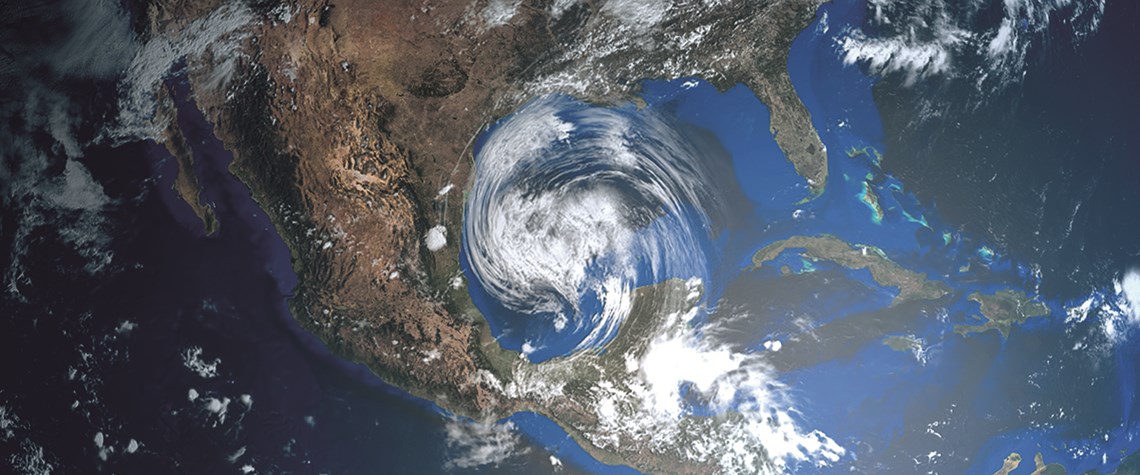
The flooding has finally receded. The cleanup has begun. Houston, America's oil capital, and much of Texas will be counting the cost of Hurricane Harvey in the months and years to come. Energy markets too are taking stock of the damage. Harvey took aim at the heart of the American energy complex, which has undergone a building boom since the last major storm hit the region a decade ago. Billions of dollars have been spent on new pipelines, pumping stations, refining facilities, ports, liquefied natural gas export plants and oilfields to link surging output with markets at home and abroad. It has turned the Gulf Coast into a vital hub of production and refining for the global oil and gas trad

Also in this section
9 April 2026
The April 2026 issue of Petroleum Economist is out now!
2 April 2026
Alongside a rapid continued build-out of renewables, China’s latest five-year plan stresses the value of domestic hydrocarbon production for energy security and calls for increased Russian gas imports
2 April 2026
The government is taking important steps to revive domestic production, lift investment and benefit from the geopolitical crisis even if more needs to be done in the longer term
1 April 2026
Golden Pass’s startup offers QatarEnergy a timely boost but may also force a difficult choice between honouring disrupted contracts and capitalising on soaring spot LNG prices


