


Transition time in the Gulf
Fearful of American shale and electric cars, GCC states want to lessen their oil-revenue dependence
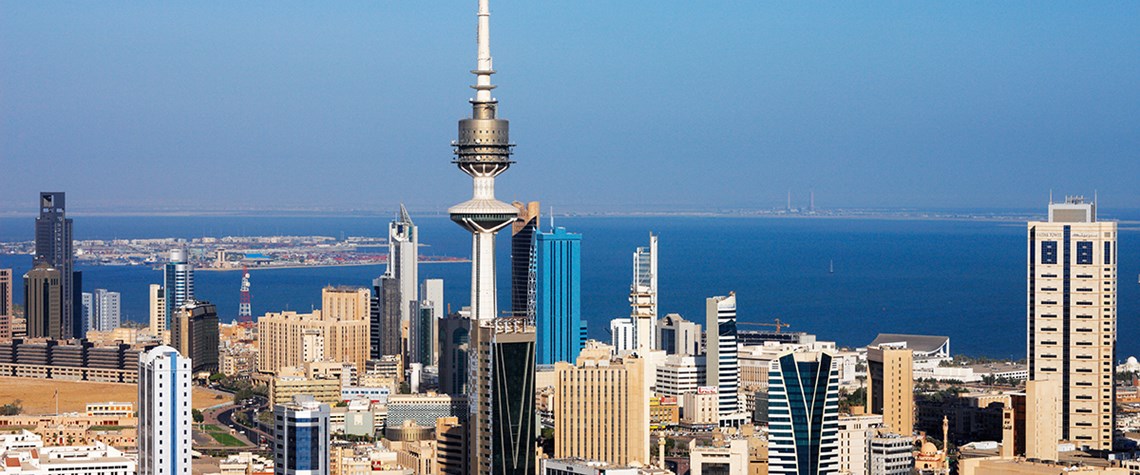
Kuwait has become the latest Gulf state to launch an ambitious plan to diversify its economy away from dependence on oil. "New Kuwait", a development strategy up to 2035, comes hard on the heels of Saudi Arabia's Vision 2030, launched in 2016. Among the aims of New Kuwait is to boost foreign-direct investment and expand the role of the private sector. Planned mega-projects in the coming decades aim to more than triple the country's revenue, from KD13bn ($42bn) to KD35bn, in 2035. That Gulf Cooperation Council (GCC) states need to move away from a reliance on income from hydrocarbons has been obvious for years, and the collapse of oil prices after 2014 has only reinforced that. Kuwait's lates

Also in this section
13 April 2026
Petroleum Economist analysis highlights sharp shift from crude oversupply to market deficit, with Iraq and Kuwait badly affected and key producers Saudi Arabia and the UAE also seeing output sharply lower
13 April 2026
Turkmenistan is moving ahead with a modest expansion of the giant Galkynysh field to sustain gas deliveries abroad, but persistent delays to other key pipeline projects and geopolitical risks continue to constrain its export ambitions
13 April 2026
Expensive electricity has forced out swathes of energy-intensive industry and now threatens the country’s ability to attract future investment in datacentres and the digital economy
13 April 2026
For GCC producers, the ceasefire may prove more destabilising than the war itself: exports remain constrained, and control over Hormuz has shifted in ways that could endure


