


Newsletters | Request Trial | Log in | Advertise | Digital Issue   |   Search
  • Upstream
  • Midstream & Downstream
  • Gas & LNG
  • Trading & Markets
  • Corporate & Finance
  • Geopolitics
  • Podcasts
Search
Related Articles
Trump’s bid to reshape the global energy order
From Venezuela to Hormuz, the US—backed by the most powerful military force ever assembled—is redrawing not only oil and gas flows but also the global balance of energy power
Energy dominance as diplomatic leverage
Energy sanctions are becoming an increasingly prominent tool of US foreign policy, with the country’s growth in oil and gas production allowing it to impose pressure on rivals without jeopardising its own energy security or that of its allies, argues Matthew McManus, a visiting fellow at the National Center for Energy Analytics
Trump’s gasoline price pledge paradox
The US president has repeatedly promised to lower gasoline prices, but this ambition conflicts with his parallel aim to increase drilling and could be upended by his war against Iran
Middle East oil vulnerabilities have been exposed
The killing of Iran’s Supreme Leader Ayatollah Khamenei in US–Israeli strikes marks the most serious escalation in the region in decades and a bigger potential threat to the oil market than the start of the Russia-Ukraine crisis
China’s new oil position
OPEC, upstream investors and refiners all face strategic shifts now the Asian behemoth is no longer the main engine of global oil demand growth
HPI Market Data Book 2026: Global construction – Americas
Capex is concentrated in gas processing and LNG in the US, while in Canada the reverse is true
Explainer: Inside China’s crude oil stockpiling black box
Energy security continues to evolve as a strategic priority amid growing geopolitical tensions highlighted by increased volumes, a new energy law and persistent secrecy
A dual-coast LNG strategy
Sempra Infrastructure’s vice president for marketing and commercial development, Carlos de la Vega, outlines progress across the company’s US Gulf Coast and Mexico Pacific Coast LNG portfolio, including construction at Port Arthur LNG, continued strong performance at Cameron LNG and development of ECA LNG
Letter from Iran: Testing times for Tehran-Beijing crude dynamics
Growing pressure from the Trump administration continues to threaten a resilient China-Iran oil nexus
Letter from the US: The curse of strong energy exports
Rebuilding industry, energy dominance and lower energy costs are key goals that remain at odds in 2026
China US Oil markets
Michael McCaw
4 April 2018
Follow @PetroleumEcon
Forward article link
Share PDF with colleagues

Back to the futures for Chinese crude

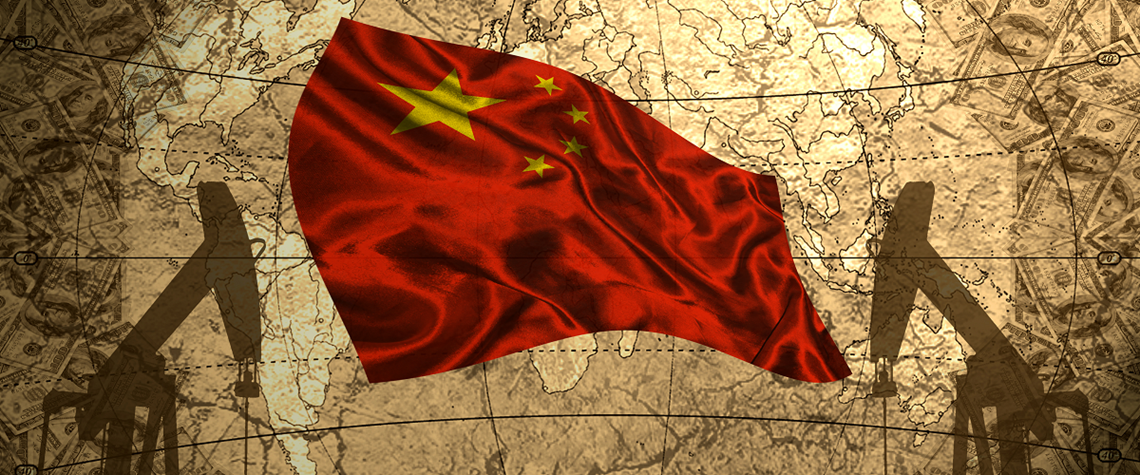
The successful opening of a long-awaited yuan-denominated oil futures contract bodes well for the country’s aim to create a regional benchmark

After nearly six years of speculation, rumours, and declared intentions, the Shanghai International Energy Exchange (INE) finally launched China's first-ever oil futures contract on 26 March. Liquidity was strong on launch day, with 40,656 contracts worth around ¥17.6bn ($2.8bn) filtering through the system, according to the exchange's figures. The most active September contract settled at ¥429.9 a barrel, after fluctuating between ¥426.3/b and ¥447.1/b during the trading session. Before the INE opening, domestic and international market participants—both speculative investors and oil companies looking to mitigate risks taken in oil markets—might have been forgiven for scepticism. The exchan

Also in this section
Rethinking the Middle East oil topography
19 March 2026
The regional crisis highlights the undervalued role of fixed pipelines in the age of tanker flexibility
Do not fear runaway Henry Hub prices
18 March 2026
Rising LNG exports and AI-driven power demand have raised concerns that US gas prices could climb sharply, but analysts say abundant shale supply and continued productivity gains should keep Henry Hub within a range that preserves the competitiveness of US LNG
Will policymakers panic before the oil market?
18 March 2026
Risks of shortages in oil products may cause world leaders to panic and make mistakes instead of letting the market do what it does best
Letter from the Middle East: LNG – the weak link the Gulf crisis just exposed
Opinion
17 March 2026
The crisis in the Middle East has put LNG’s ability to offer security and flexibility under uncomfortable scrutiny

Share PDF with colleagues

COPYRIGHT NOTICE: PDF sharing is permitted internally for Petroleum Economist Gold Members only. Usage of this PDF is restricted by <%= If(IsLoggedIn, User.CompanyName, "")%>’s agreement with Petroleum Economist – exceeding the terms of your licence by forwarding outside of the company or placing on any external network is considered a breach of copyright. Such instances are punishable by fines of up to US$1,500 per infringement
Send

Forward article Link

Send
Sign Up For Our Newsletter
Project Data
Maps
Podcasts
Social Links
Featured Video
Home
  • About us
  • Subscribe
  • Reaching your audience
  • PE Store
  • Terms and conditions
  • Contact us
  • Privacy statement
  • Cookies
  • Sitemap
All material subject to strictly enforced copyright laws © 2025 The Petroleum Economist Ltd
Cookie Settings
;

Search
