


China: Enter the smokeless dragon
Part of China’s blue-sky strategy is the switch from coal to natural gas—with an unexpected impact on the global LNG market
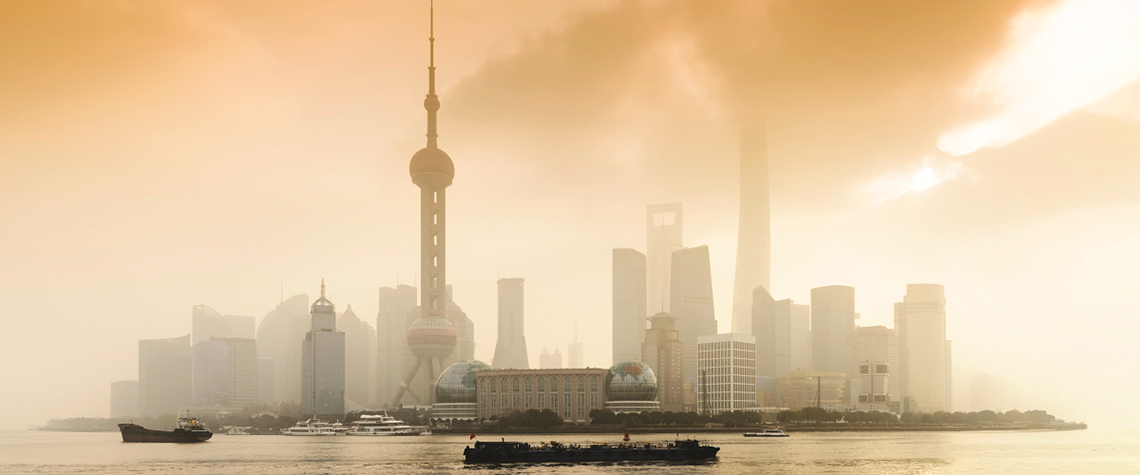
Between 2015 and 2017, China's liquefied natural gas imports doubled. Pipeline gas imports more than doubled. Yet last winter China faced an unprecedented gas supply crisis that left homes, schools and hospitals without heating—prompting a scramble to divert gas from industry. The immediate cause of the crisis was an air pollution-prevention-and-control programme stipulating that coal-fired boilers in key regions should be replaced with gas-fired ones. The deadline, October 2017, coincided with the Communist Party's 19 th National Congress and so implementation was exceptionally forceful. In some places, coal boilers were ripped out before gas replacements were available. In others, the swit

Also in this section
24 March 2026
It is an unusual story of out with the new and in with the old, as America First Refining shows the US going back to trusted energy security developments
23 March 2026
A complex and sometimes contradictory web of factors that include unpredictable oil prices, the globalisation of LNG markets, the expansion of Middle Eastern sovereign capital and the growth of datacentre demand will shape the energy landscape beyond 2026
23 March 2026
The Strait of Hormuz crisis highlights how key waterways can become global chokepoints
20 March 2026
Attacks on key oil and LNG assets across the Gulf mean a prolonged supply disruption, with damage to Qatar’s export capacity undermining confidence in the global gas system


