


China looks west to solve energy riddle
Xinjiang has potentially huge untapped reserves, but exploration in the desert province presents complex geological and political challenges
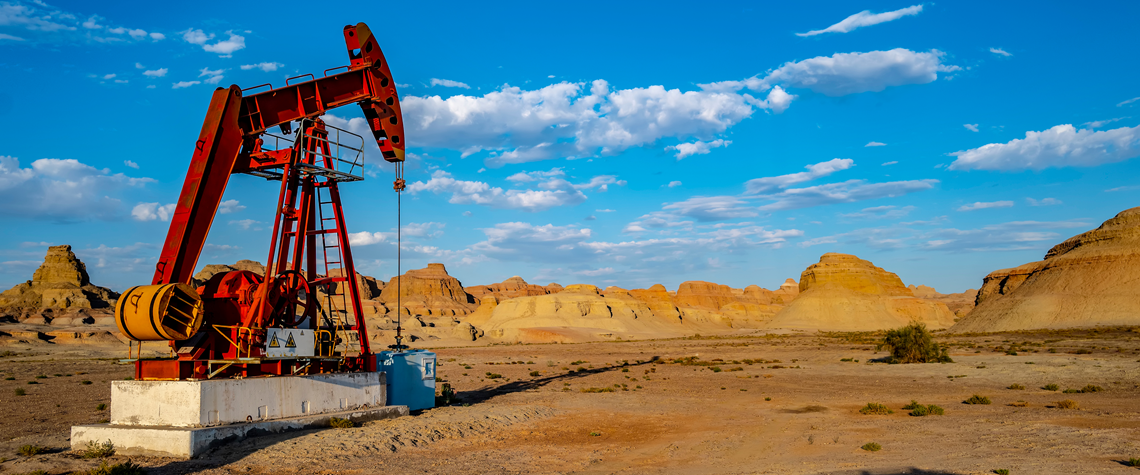
Chinese NOCs are forging ahead with challenging ultra-deep drilling and shale projects in Xinjiang Uyghur Autonomous Region, underlining the far western province's potential importance to the country's drive to meet ambitious energy security plans. PetroChina, one of China's ‘big three' NOCs, completed Luntan 1, Asia's deepest well at 8,882m, in the Tarim basin at the end of July, saying it had taken a year to drill due to complex geology and difficult ultra-high-temperature and ultra-high-pressure conditions. It was the latest completed of 27 ultra-deep wells drilled at the Shunbei field. Xinjiang momentum is building. Despite the region's severe weather and remote desert conditions, major

Also in this section
2 April 2026
Alongside a rapid continued build-out of renewables, China’s latest five-year plan stresses the value of domestic hydrocarbon production for energy security and calls for increased Russian gas imports
2 April 2026
The government is taking important steps to revive domestic production, lift investment and benefit from the geopolitical crisis even if more needs to be done in the longer term
1 April 2026
Golden Pass’s startup offers QatarEnergy a timely boost but may also force a difficult choice between honouring disrupted contracts and capitalising on soaring spot LNG prices
1 April 2026
It is not a case of if or when, but the length and magnitude of economic damage from elevated oil prices


