


Chinese LNG faces headwinds
Huge expansion in imports masks challenges for the future
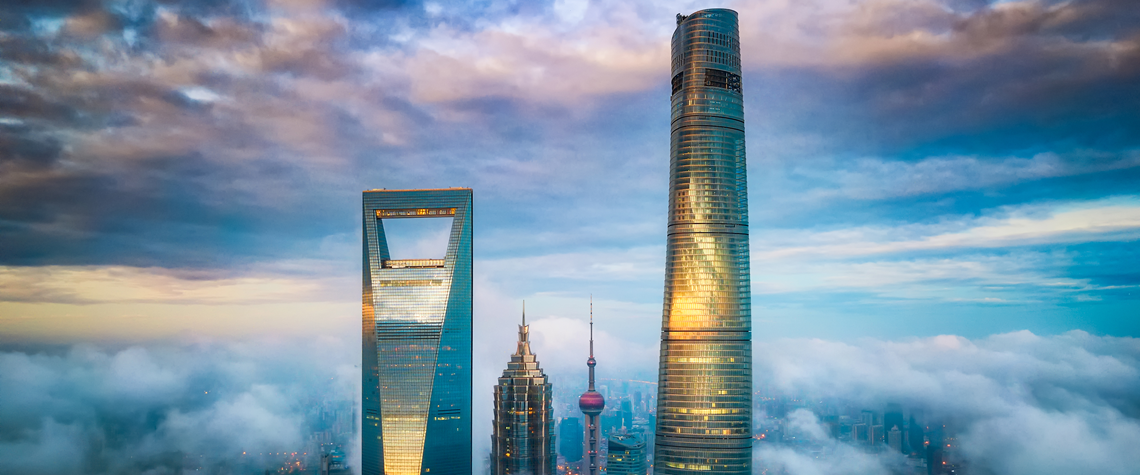
China was an apt choice for April's LNG19 conference, given the disruptive impact that its imports have had on the fuel's global trade in recent years. And Shanghai even more so, given that it is home to the huge Yangshan terminal and acts as a hub for several more LNG terminals along the Middle Kingdom's east coast. But at the event, Chinese energy officials underlined that LNG's potential to become Asia's dominant gas delivery method versus competitors such as pipelines—and indeed the future of gas itself as a cleaner fuel alternative—depends on the industry's ability to improve coordination. "Competition from pipelines and renewables is fierce, costs are still high, and the large scale of

Also in this section
28 April 2026
Oil traders warning of $200/bl oil are wrong, and the market should be wary of proclamations that the impact of the oil shortage has only begun to be felt and a that a ‘harsh adjustment’ is coming—even for industrialised nations
28 April 2026
Restoring supply from Saudi Arabia, the UAE, Kuwait, Qatar, Bahrain and Iraq involves complexities far beyond simply adjusting operational controls
28 April 2026
Datacentres will guzzle power at a ferocious rate, but the impact on wider energy markets will be far more complex than previously thought
28 April 2026
The key energy player faces balancing regional routes, political complexities, and creating a clear strategic vision for energy security


