


One step forward, two steps back in Kuwait
Renewed political upheaval augurs ill for oil sector development plans
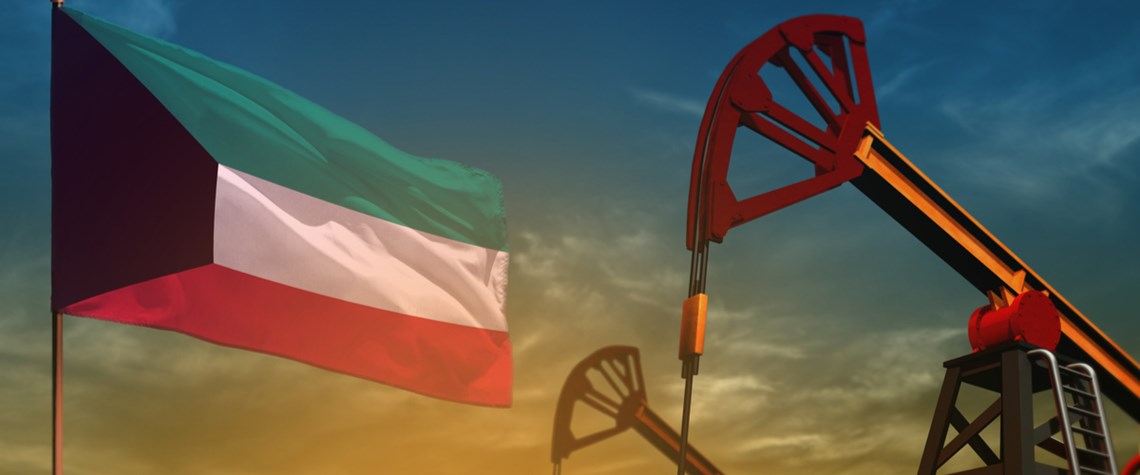
Kuwait’s newly anointed oil minister Mohammed al-Fares took to state media in early January to celebrate the discovery of three new oilfields by Kuwait Oil Company (KOC)—claiming the fresh reserves would help the state-owned firm achieve the production goals enshrined in its government-sanctioned 2040 strategy. However, the primary obstacle to meeting such output ambitions is less a lack of hydrocarbons resources than the glacial pace of their development. The relevant target—to raise capacity from c.3.1mn bl/d to 4mn bl/d—was originally due to have been hit last year. Nine days after his moment of triumph, Fares was out of a job after a mass resignation of the cabinet, appointed only the pr

Also in this section
13 April 2026
Petroleum Economist analysis highlights sharp shift from crude oversupply to market deficit, with Iraq and Kuwait badly affected and key producers Saudi Arabia and the UAE also seeing output sharply lower
13 April 2026
Turkmenistan is moving ahead with a modest expansion of the giant Galkynysh field to sustain gas deliveries abroad, but persistent delays to other key pipeline projects and geopolitical risks continue to constrain its export ambitions
13 April 2026
Expensive electricity has forced out swathes of energy-intensive industry and now threatens the country’s ability to attract future investment in datacentres and the digital economy
13 April 2026
For GCC producers, the ceasefire may prove more destabilising than the war itself: exports remain constrained, and control over Hormuz has shifted in ways that could endure


