


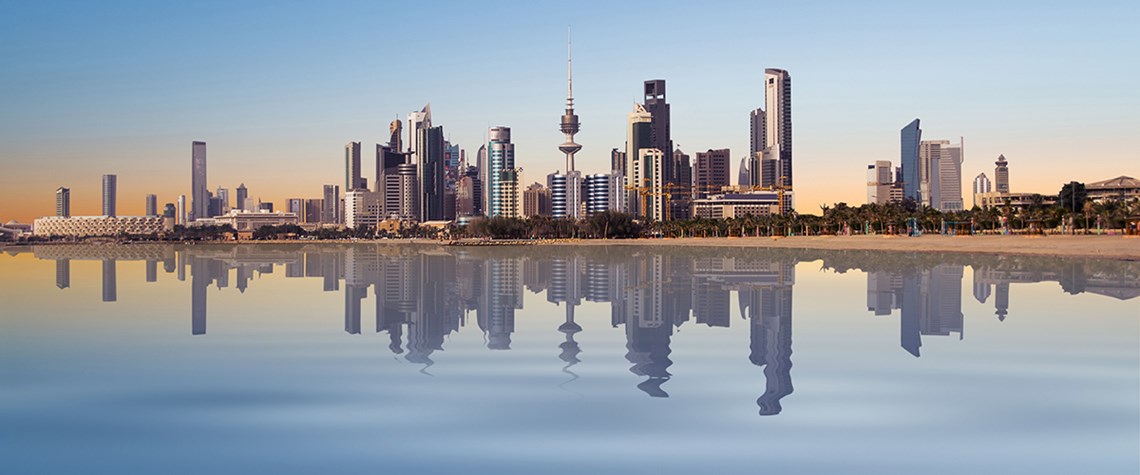
Kuwait City
Another political false start in Kuwait
The opportunity offered by high oil prices to expand static oil and gas capacity is being squandered
Hopes that early elections in Kuwait in late September would draw a line under almost two years of gridlock between the executive and a particularly difficult parliament proved short-lived, with the poll delivering a thumping victory for the opposition. However, the new government collapsed within hours over Prime Minister Sheikh Ahmed Nawaf al-Ahmad al-Sabah’s unfathomable decision to reappoint mostly the same ministers who had clashed so bitterly with MPs during the previous session. The prospect of another period of tension between the two government branches bodes ill for the country’s bedrock hydrocarbons sector, afflicted as it is by stagnating oil production and rapidly rising gas imp

Also in this section
13 April 2026
Petroleum Economist analysis highlights sharp shift from crude oversupply to market deficit, with Iraq and Kuwait badly affected and key producers Saudi Arabia and the UAE also seeing output sharply lower
13 April 2026
Turkmenistan is moving ahead with a modest expansion of the giant Galkynysh field to sustain gas deliveries abroad, but persistent delays to other key pipeline projects and geopolitical risks continue to constrain its export ambitions
13 April 2026
Expensive electricity has forced out swathes of energy-intensive industry and now threatens the country’s ability to attract future investment in datacentres and the digital economy
13 April 2026
For GCC producers, the ceasefire may prove more destabilising than the war itself: exports remain constrained, and control over Hormuz has shifted in ways that could endure


