


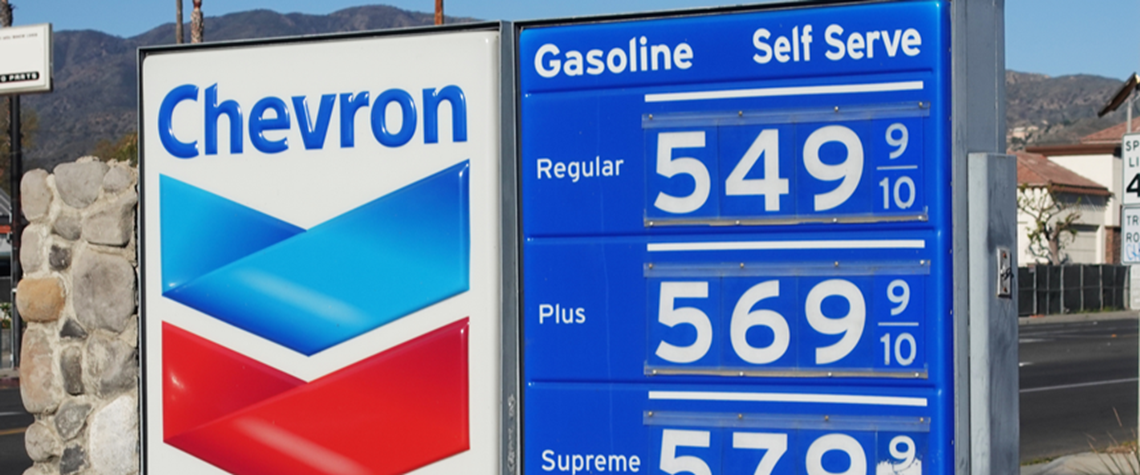
Gasoline prices are rising in the US
Iran or pump prices: Biden’s thankless choice
The US president may opt to do a JCPOA deal as a lesser evil than expensive gasoline
US president Joe Biden is aware that agreeing sanctions relief with Iran in return for curbs on its nuclear programme will be unpopular not just with his Republican opponents but also within his own Democratic party. But, according to Torbjorn Soltvedt, principal Mena analyst at consultancy Verisk Maplecroft, Biden may “view rising fuel prices as a bigger issue” ahead of November’s US midterms and be prepared to strike a deal to bring Iranian barrels swiftly back to the market to try to relieve upward pressure on oil prices. Iran, which to date has shown little willingness to compromise, now has an opportunity to strike a deal on its own terms, says Soltveldt. “Iranian negotiators will seek

Also in this section
2 April 2026
Alongside a rapid continued build-out of renewables, China’s latest five-year plan stresses the value of domestic hydrocarbon production for energy security and calls for increased Russian gas imports
2 April 2026
The government is taking important steps to revive domestic production, lift investment and benefit from the geopolitical crisis even if more needs to be done in the longer term
1 April 2026
Golden Pass’s startup offers QatarEnergy a timely boost but may also force a difficult choice between honouring disrupted contracts and capitalising on soaring spot LNG prices
1 April 2026
It is not a case of if or when, but the length and magnitude of economic damage from elevated oil prices


